Learning maths through real-world problem solving
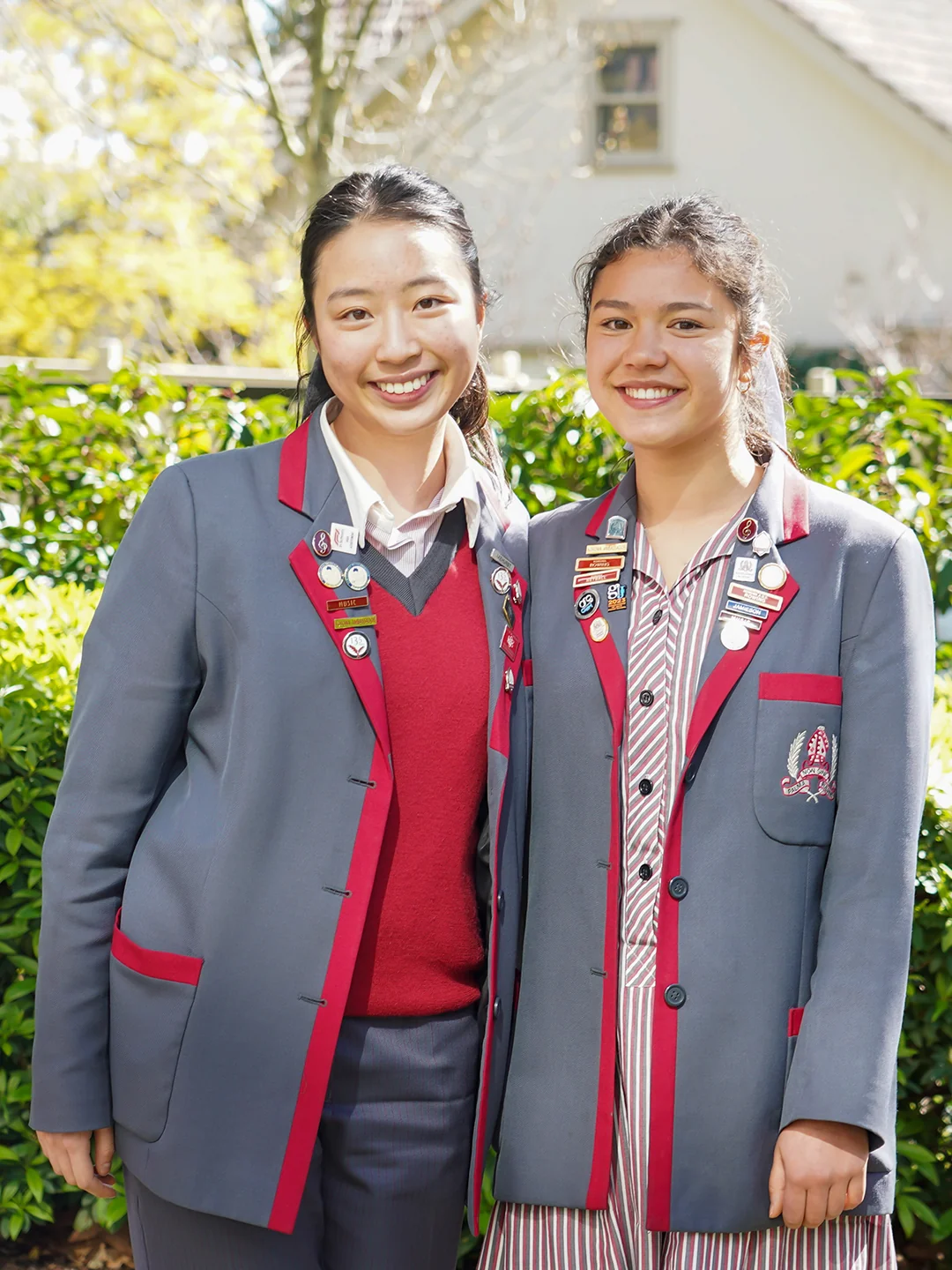
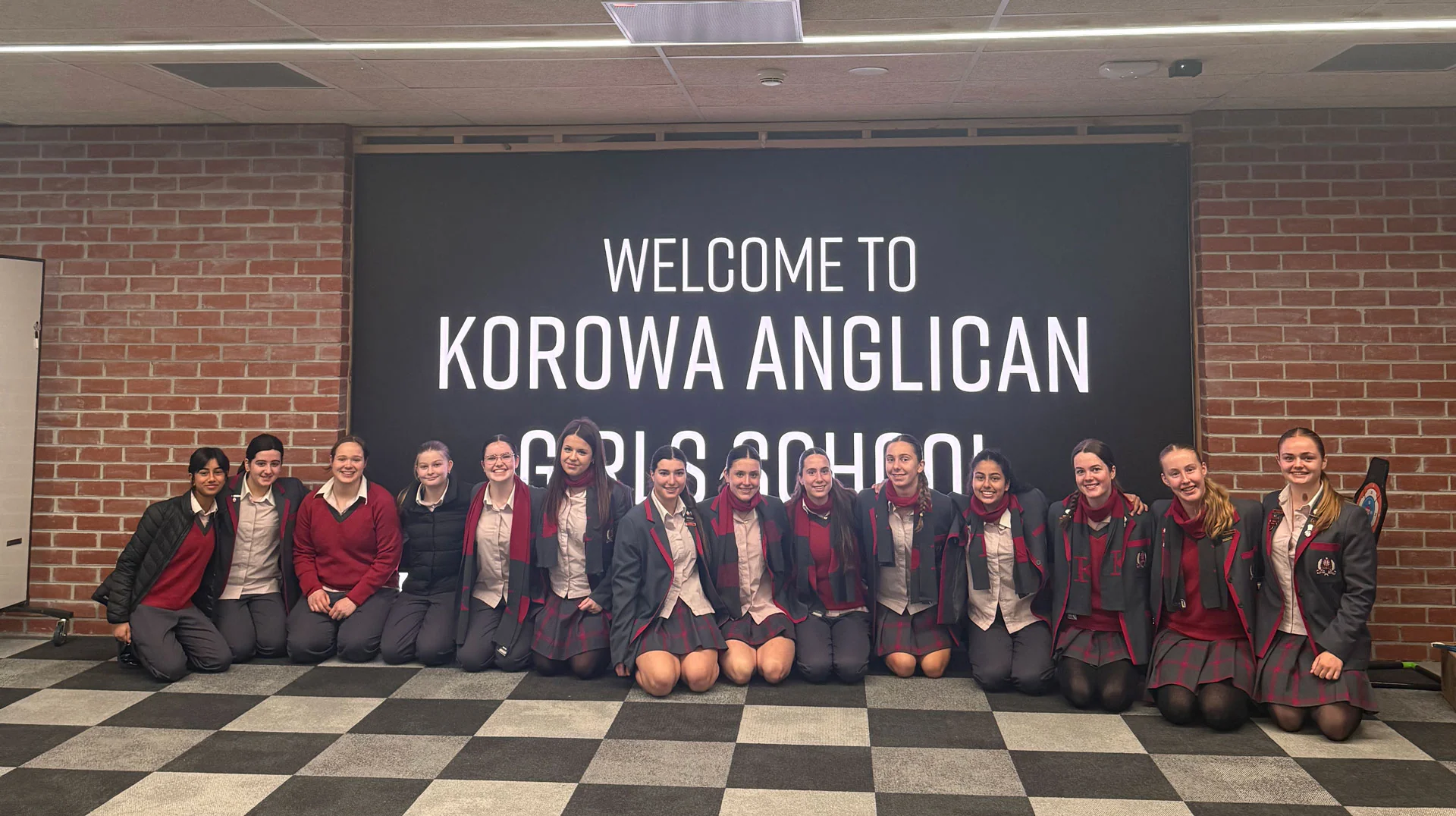
At Korowa, a Prep to Year 12 education means students are part of one connected learning community. Leadership isn't reserved for badges or titles. It's embedded in everyday learning, with older students mentoring younger peers, sharing their knowledge, and building confidence, while younger students are inspired to ask questions, take on challenges, and see what's possible.
This term, our Junior and Senior School students came together for a cross-school maths lesson combining mathematical thinking, teamwork, and a little baking along the way.
Building stronger maths teaching across Junior and Senior School
This lesson is part of an ongoing partnership between our Junior School and Senior School Mathematics Department.
Last year, under the leadership of our Junior School Numeracy Coordinator, Ms Jo, teachers from both schools began working together to strengthen mathematics teaching and create richer learning experiences for students. The collaboration has continued this year, with Junior and Senior School teachers partnering to design higher-order thinking maths tasks for mixed-ability classrooms.
By planning and team teaching these lessons together, teachers share their expertise across year levels, combining deep mathematical knowledge with age-appropriate teaching strategies. The result is engaging lessons that challenge students, foster curiosity, and encourage every learner to think more deeply.
A hands-on maths lesson with a delicious challenge
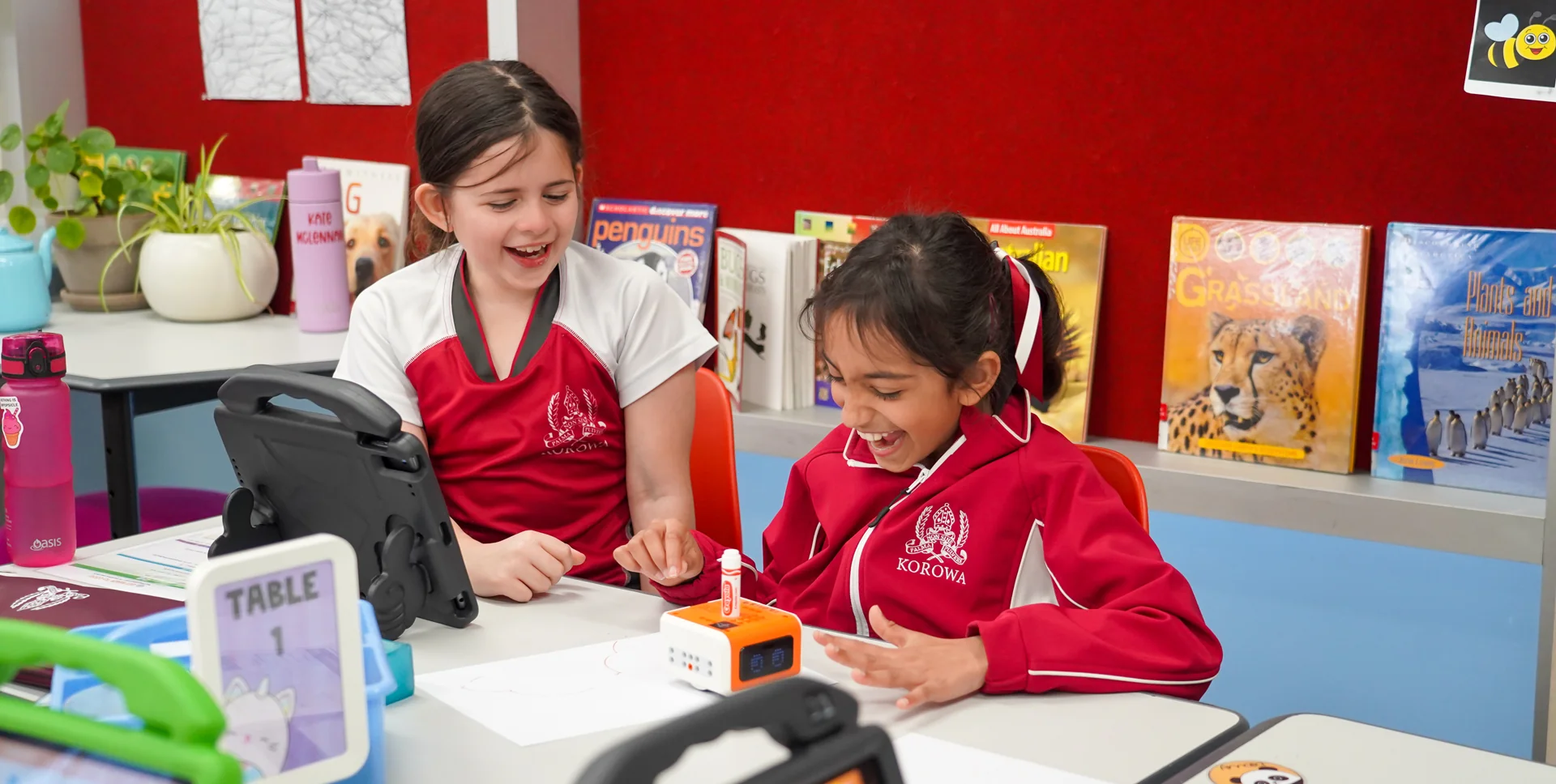
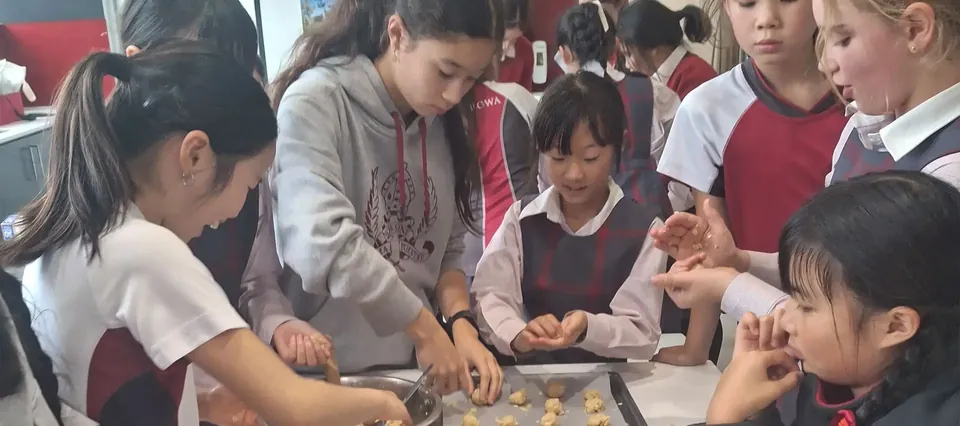
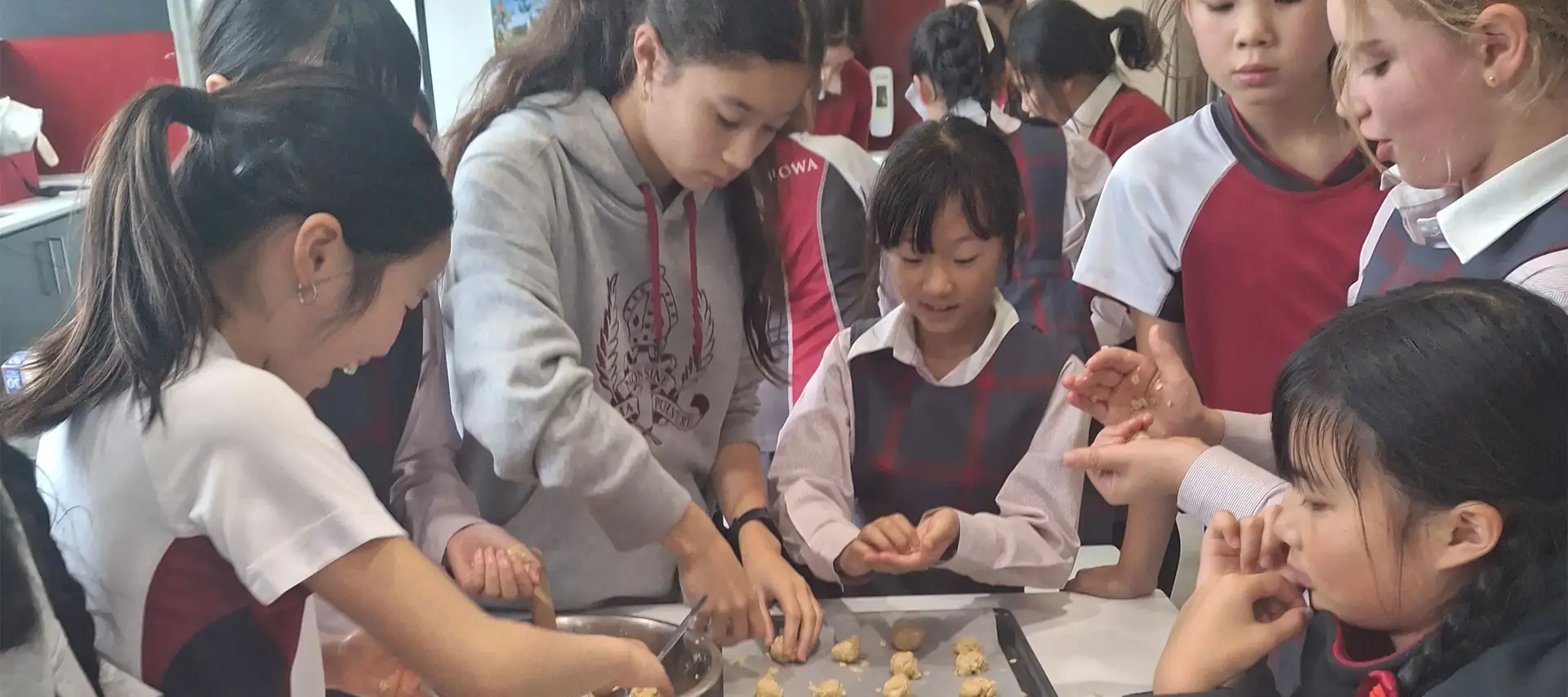
This collaborative lesson brought Year 4 and Year 8 students together to bake Anzac biscuits before tackling the maths behind the recipe.
Working in small mixed-year groups, each Year 8 student took on a leadership role, guiding their Year 4 peers through the investigation, encouraging discussion, and helping their group work through each stage of the challenge.
Together, they explored one simple question: Is it cheaper to bake Anzac biscuits or buy them?
Students measured ingredients, calculated costs, compared supermarket prices, and analysed different purchasing options to reach a conclusion using mathematical reasoning. The lesson combined financial literacy, measurement, data analysis, and problem solving, all within areal-world context.
Leadership through learning
One of the most valuable aspects of the lessonwas the opportunity for Year 8 students to step into leadership.
Rather than simply completing the task themselves, they were responsible for facilitating discussion, explaining mathematical concepts, encouraging participation, and ensuring every member of their group contributed. It gave students an authentic opportunity to develop communication, teamwork, and leadership skills while building confidence in their own understanding.
For the Year 4 students, having older peers alongside them created a supportive environment where they felt comfortable asking questions, sharing ideas, and learning together.
Reflecting on the lesson, Year 4 studentsMia-Ran and Maggie shared:
"4B and 8C did a collaborative baking andmaths activity. We had to bake Anzac biscuits to answer the question, 'Is itcheaper to bake or buy?'
After we baked the delicious biscuits, we answered a few maths questions to figure out the answer. There were two packets of store-bought biscuits with different prices, which led to two different answers.
Overall, it was a fun way to make new friendsand learn at the same time. Regardless of the cost, baking was way morefun."
Why collaborative learning matters at Korowa
Cross-school learning experiences like this are just oneexample of how Korowa creates meaningful opportunities for every student togrow.
For our younger students, these lessons build confidence, curiosity, and a sense of belonging as they learn alongside positive role models. For our older students, they provide authentic leadership opportunities that strengthen communication, empathy, and the ability to guide others.
Combined with collaborative teaching between our Junior and Senior School educators, these experiences enrich learning at every level, creating classrooms where students challenge themselves, support one another, and discover that leadership is something they can practise every day.