Student Wellbeing
A holistic approach to wellbeing
Seen, Supported and Secure
Wellbeing at Korowa isn’t just about managing challenges, it’s about helping students navigate the ups and downs of growing up with confidence, resilience and a strong sense of self. Our holistic approach to student wellbeing and mental health, and deliberate and swift response to social conflict and bullying, ensures every student receives the support they need to thrive.
Wellbeing, Mental Health & Pastoral Care
Mental Health and Pastoral Care
Our dedicated pastoral care structure ensures that every student is known as an individual. Teachers, mentors and wellbeing specialists work together to provide support that’s tailored to each child’s needs, whether they're starting in Early Learning or Junior School, or preparing for VCE.
From mindfulness activities to mental health programs and outdoor education, as well as dedicated wellbeing spaces and even our on-campus Wellbeing Dogs Ivy, Henry and Lewis, we intentionally design experiences that help students develop confidence, empathy and emotional intelligence.
This balance allows them to embrace challenges, manage stress and thrive both in and out of the classroom.
Thoughtful support over time
Wellbeing at Every Stage
Wellbeing at Korowa is thoughtfully designed to support girls as they grow.
Recognising that students’ needs change over time, our approach evolves across each stage of schooling, ensuring care, connection and support are developmentally appropriate, proactive and deeply embedded in everyday school life.
Prep to Year 6
Prep to Year 6
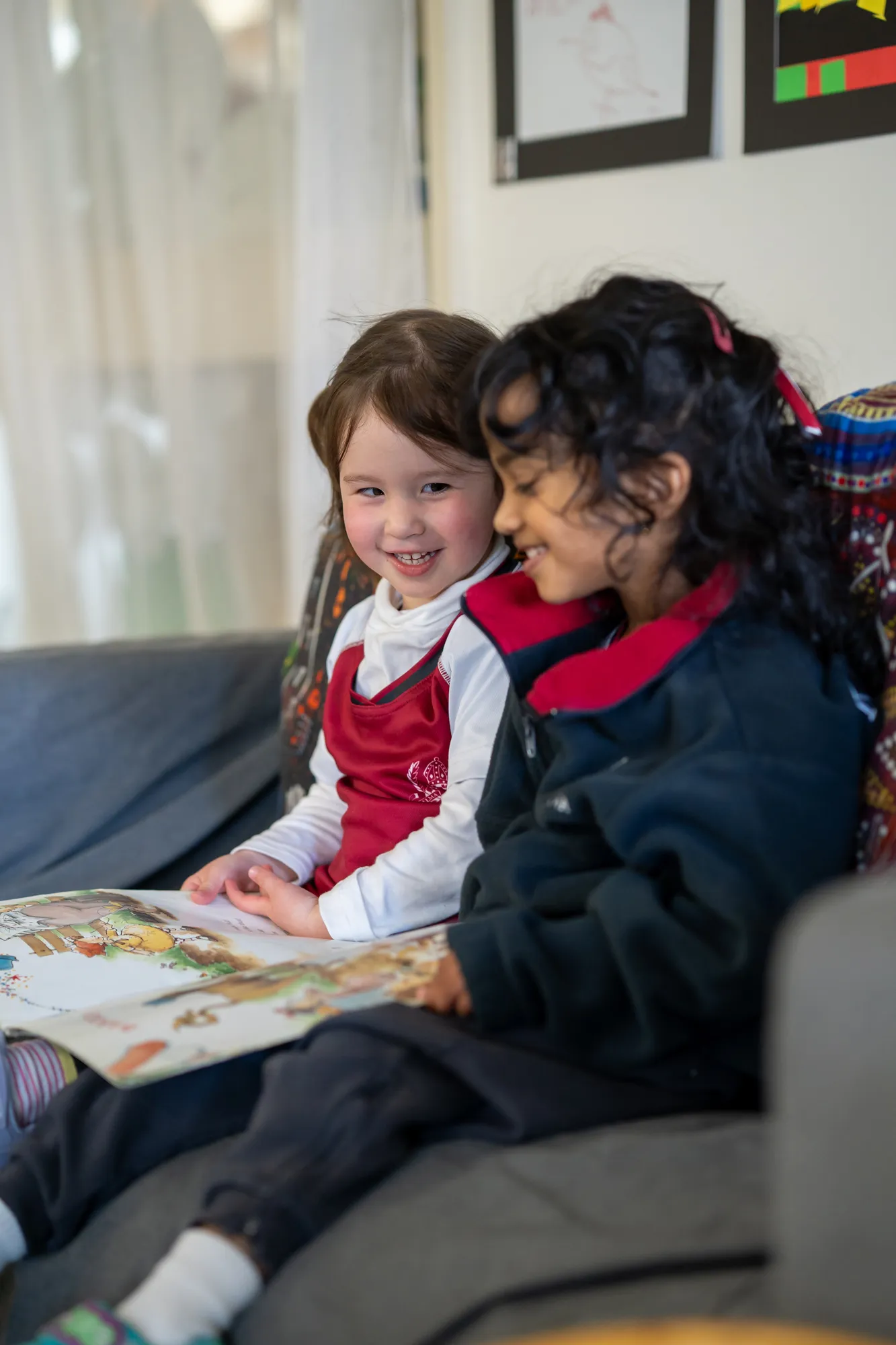
A strong foundation of belonging is built through positive relationships and restorative practices, helping students develop confidence, resilience and independence. Classroom teachers provide the first layer of personalised wellbeing support.
All classes teach emotional literacy through a scope and sequence that builds on their understanding of emotions each year.
Junior School year-level coordinators form part of the school's Wellbeing Team (see below), and Ivy the wellbeing dog is a regular visitor to the Junior School.
.webp)
Years 7 to 8
Years 7 to 8
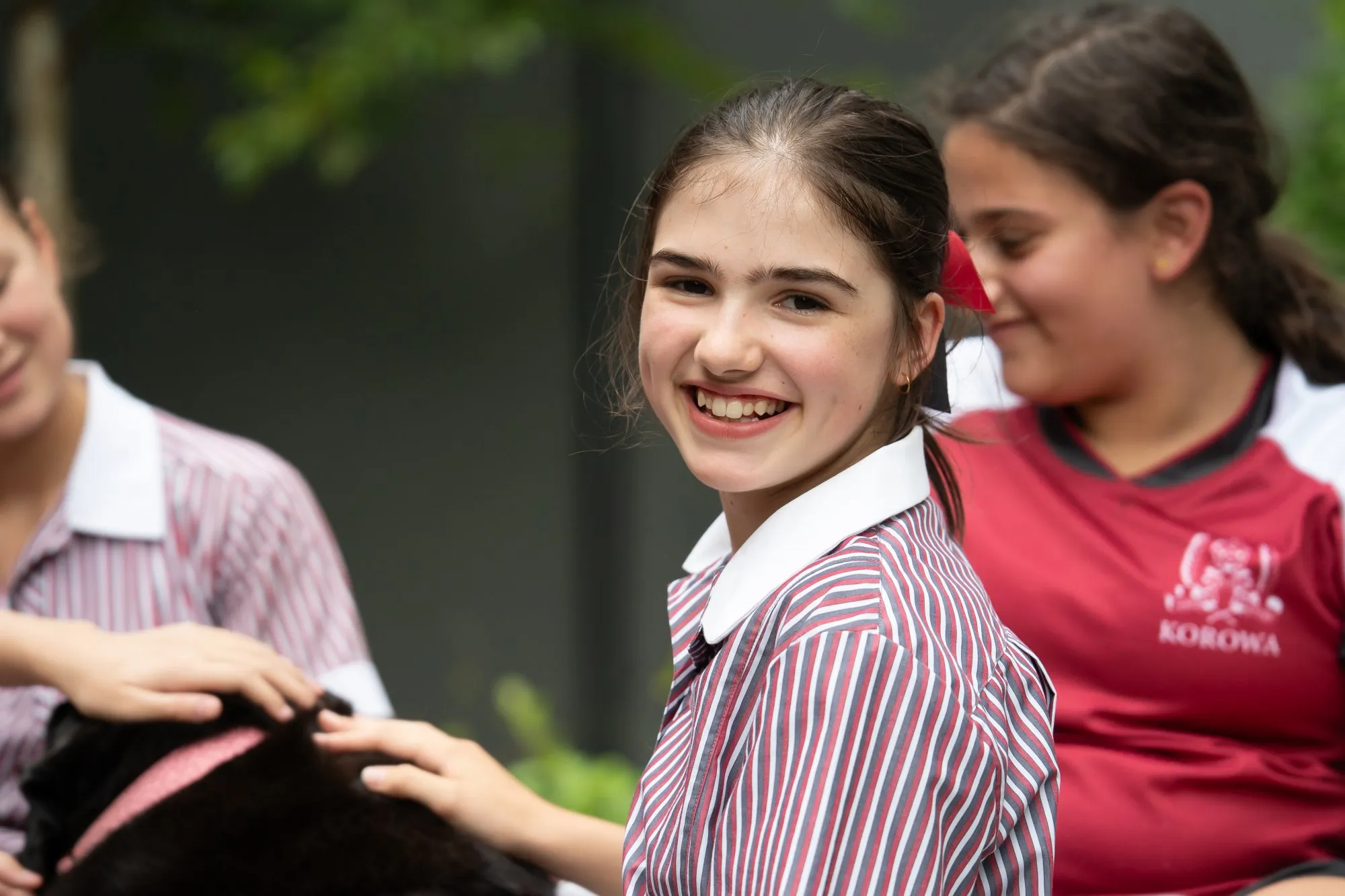
Early adolescence is a time of rapid growth, and our closely connected wellbeing team supports students daily through community, classroom learning and personal development programs designed to help them feel safe, understood and supported.
Years 9 to 10
Years 9 to 10
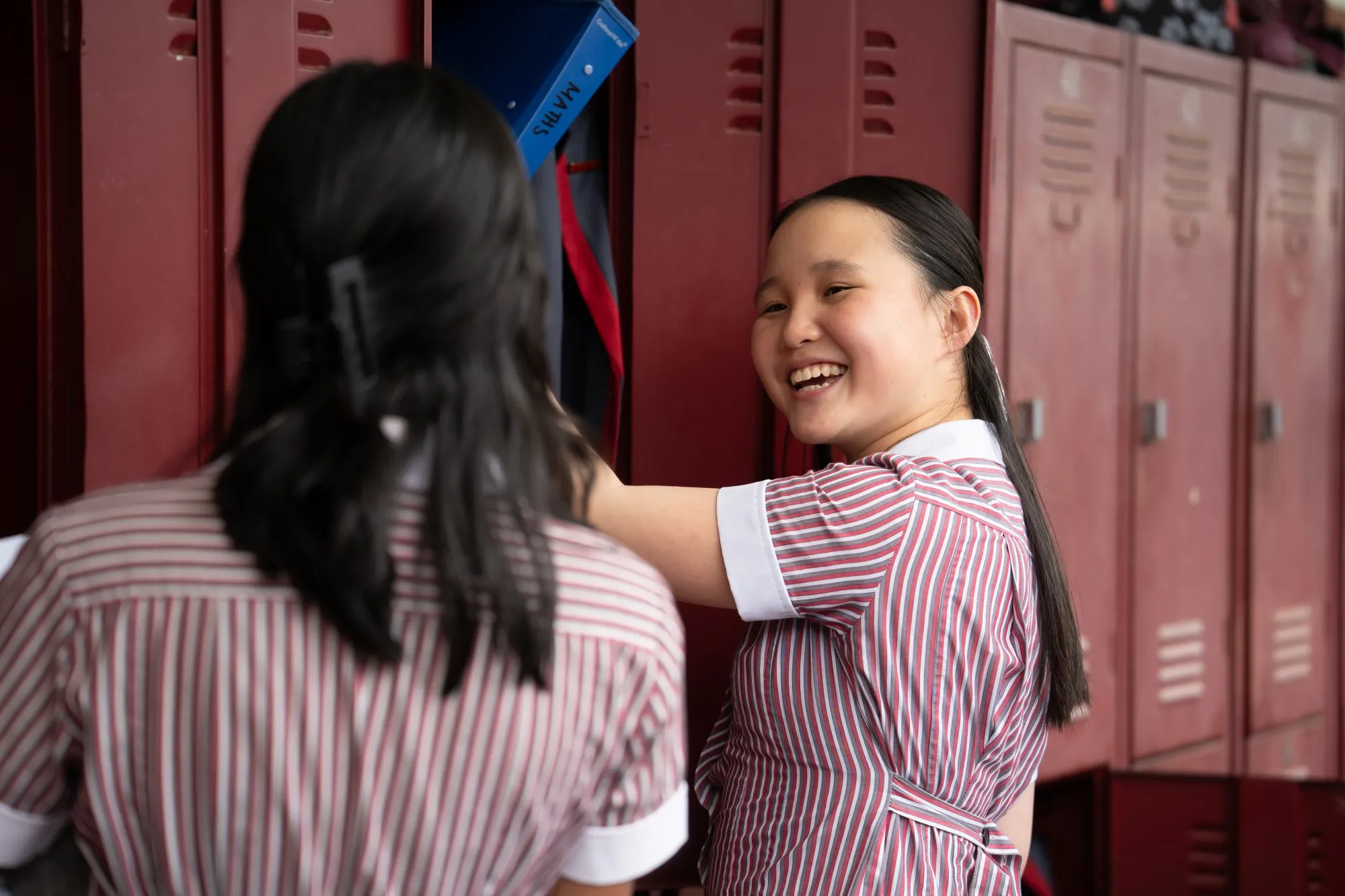
Wellbeing is woven through every part of school life, with a focus on academic, social, emotional and physical growth. Central to this are our signature out-of-school Trek and Quest experiences; as well as small, mentor-led groups where students build strong connections, reflect on their goals, and explore who they are becoming as young women.
Years 11 to 12
Years 11 to 12
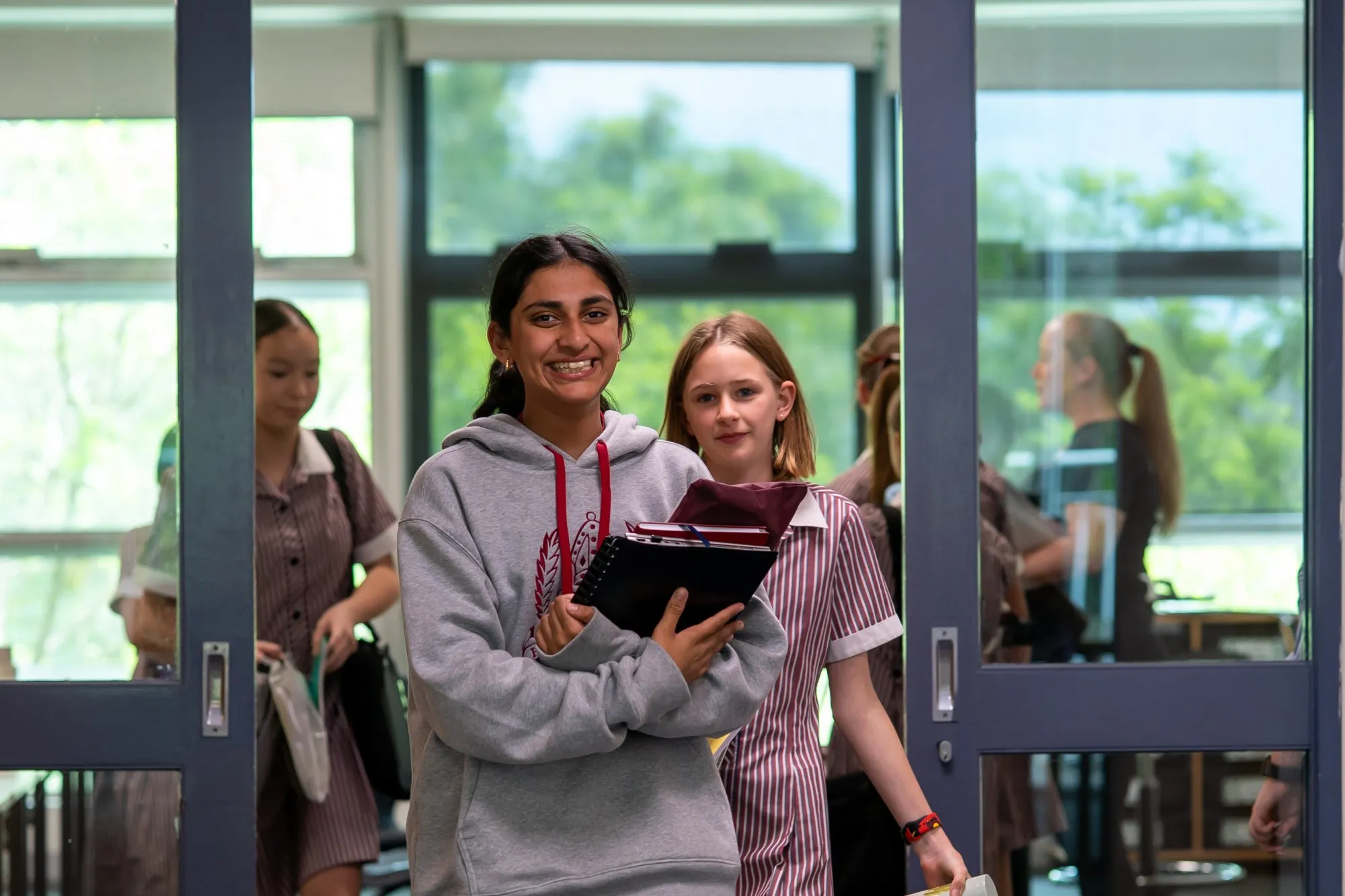
As students navigate their final years, structured wellbeing practices sit alongside academic support. Mentors, workshops and wellbeing sessions help them manage pressure, practise self-care, and step confidently into life beyond school.
This structured, age-appropriate approach means your child is supported every step of the way, not just academically, but personally and emotionally too.
Swift and proactive
Our Approach to Bullying
Social conflict can happen in any school community. At Korowa, we respond quickly, thoughtfully and with a focus on learning, accountability and restoring relationships. Students are encouraged to raise concerns with teachers, mentors or wellbeing staff, and families are kept informed if issues arise.
Restorative Practices
Our approach is guided by restorative practices, which prioritise listening to all voices, helping students understand the impact of their actions, and supporting them to repair relationships where possible. Students play an active role in resolving conflict and rebuilding trust, developing empathy, responsibility and stronger communication skills in the process.
Preventative Practices
We also work proactively to build a positive school culture where conflict is less likely to occur. This includes:
- Peer mentoring and structured group activities that build empathy and respect
- Explicit teaching of social and emotional skills through the wellbeing curriculum
- Support for both the student affected and others involved to prevent recurrence
- Collaboration between teachers, mentors and wellbeing specialists to ensure consistent follow-up
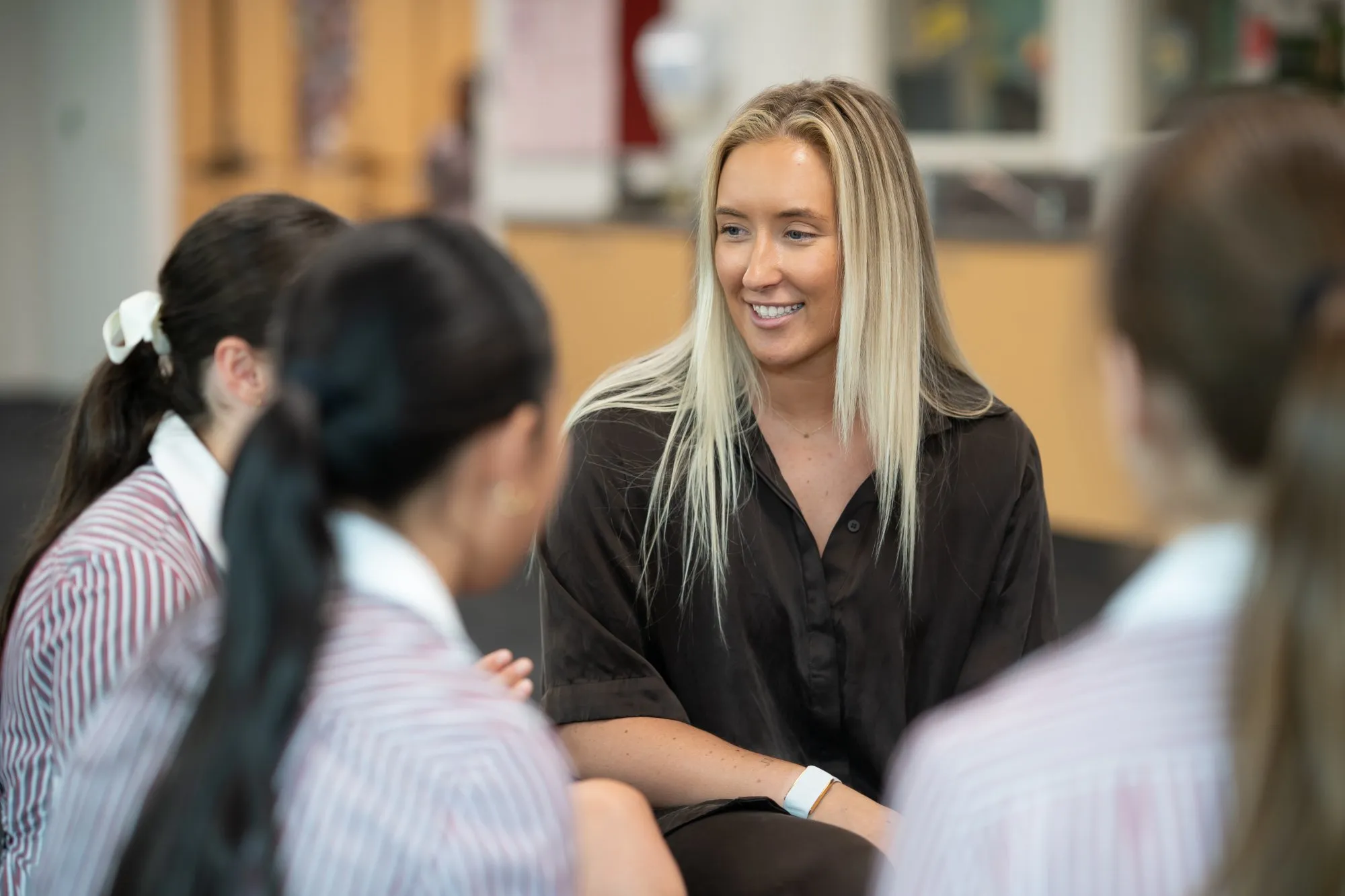
Together, these approaches help students feel safe, supported and confident in navigating relationships.
A calm, caring presence
Wellbeing Dogs
Korowa's much-loved Wellbeing Dogs, Ivy and Henry, play an important role in supporting students from the Early Learning Centre (ELC) to Year 12.
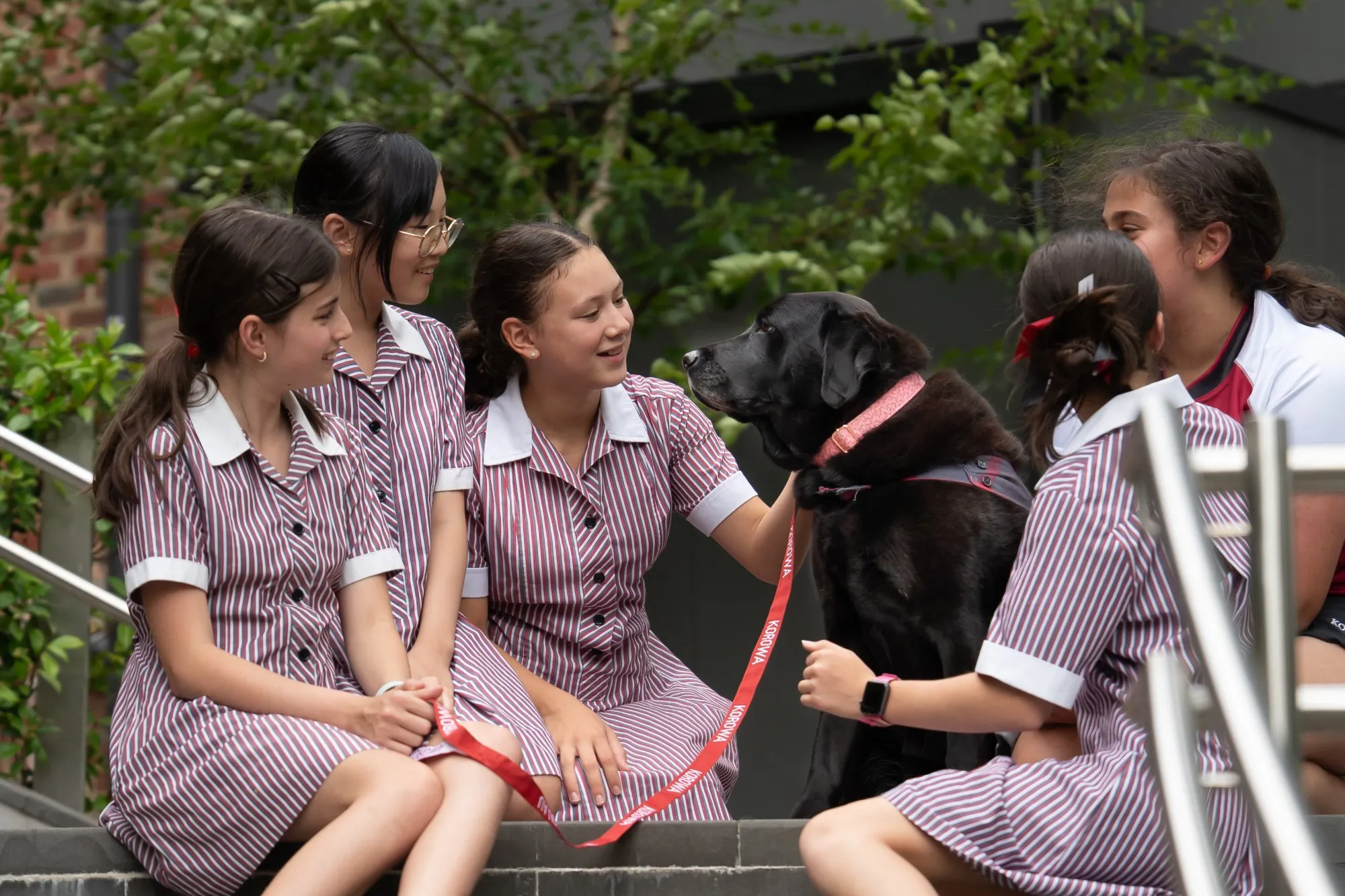
Ivy, a gentle black labrador, is based in the Sports and Wellbeing Centre and offers calm, comfort and connection across the school. Her willingness to sit still for long periods of time has also made her an unofficial muse to many of our art students, and few tours of Korowa are complete without spotting at least one portrait of Ivy on the walls.
Henry, a joyful golden labrador, brings a sense of safety and reassurance on our camps and signature outdoor experiences.
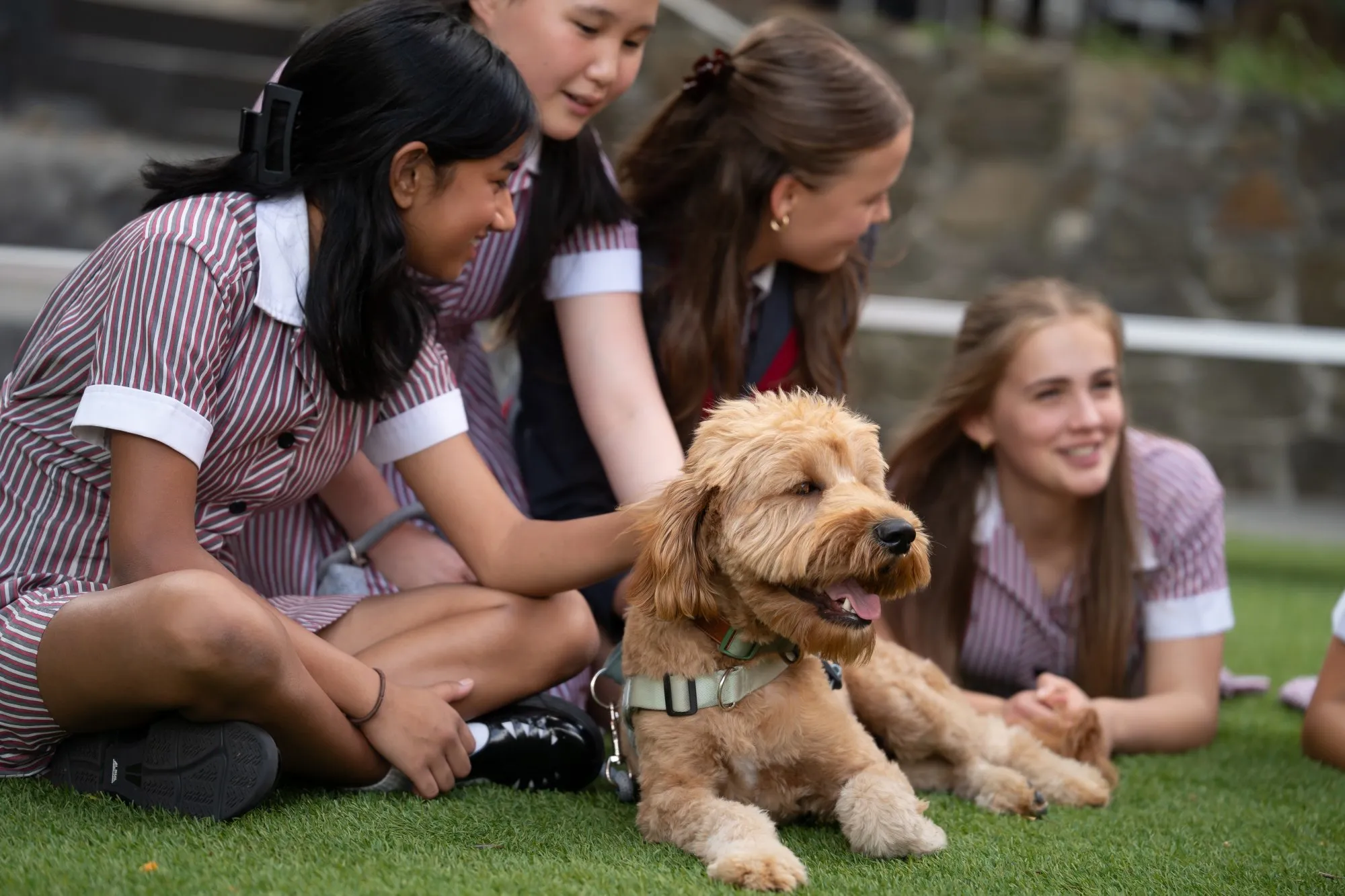
We also have Lewis, pictured here, a quiet cobber puppy who is in training to join our wellbeing dog team. Lewis' particular talent is "cuddles," and these services are always in high demand.
Research shows that wellbeing dogs help reduce stress, improve mood and enhance focus. But most of all, Ivy, Henry and Lewis bring joy.
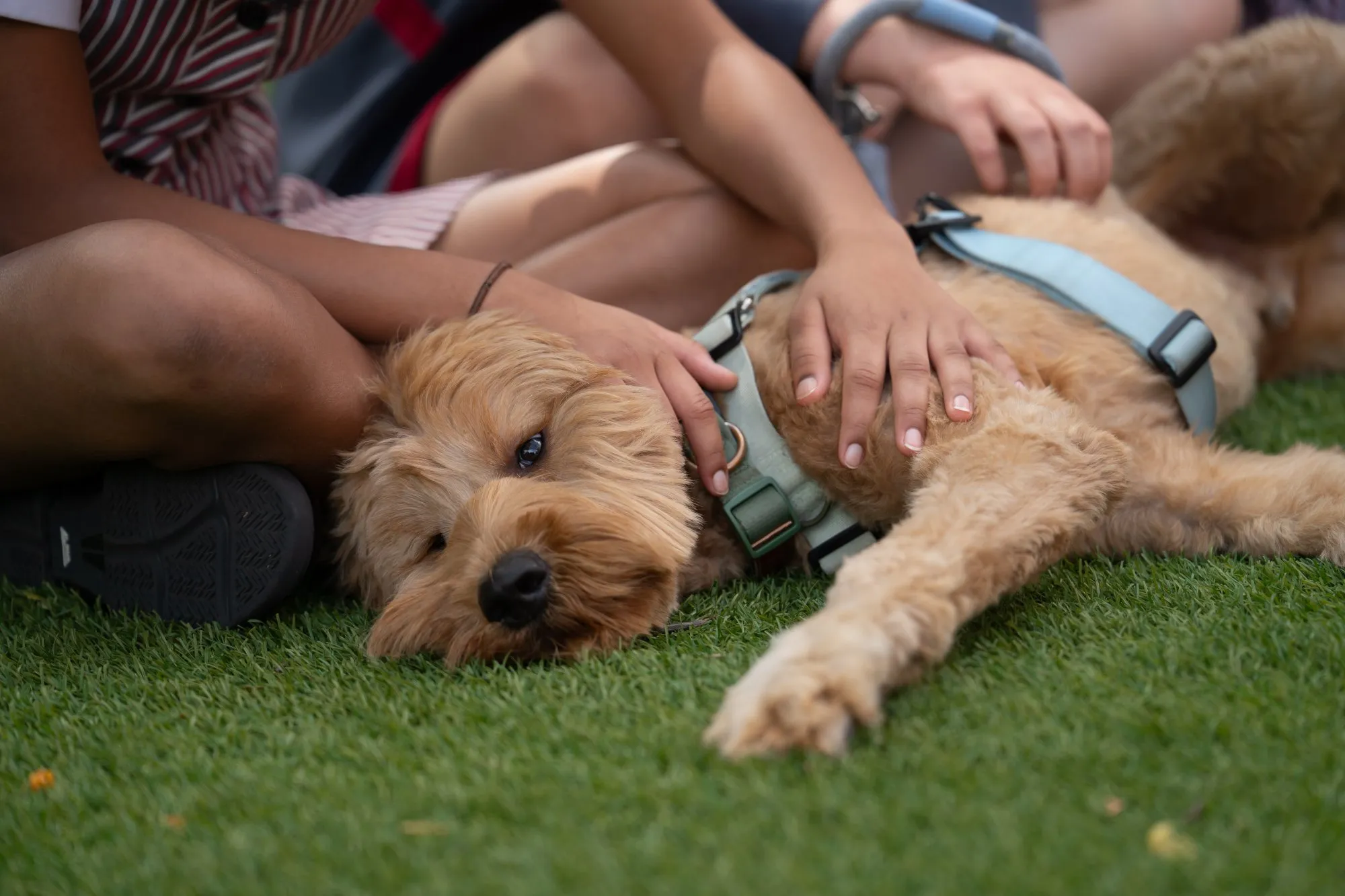
Lewis, one of Korowa's three Wellbeing Dogs
on-site Wellbeing specialists
Wellbeing Team
Korowa's professional and purpose-trained (holding Masters of Student Wellbeing) Wellbeing Team is dedicated to caring for the mental health of our students. The team works closely with our teachers and support staff to create an environment in which every child can flourish.
The Wellbeing Team and Resources:
- Educational and Developmental Psychologists
- School Counsellors
- School Chaplain
- Careers Counsellors
- Learning Support Staff
- Heads of Year
- Junior School year-level coordinators
- Strategic Mentoring Program
- Three on-site Wellbeing Dogs (Ivy, Henry and Lewis)
- Non-sensory learning / breakout space
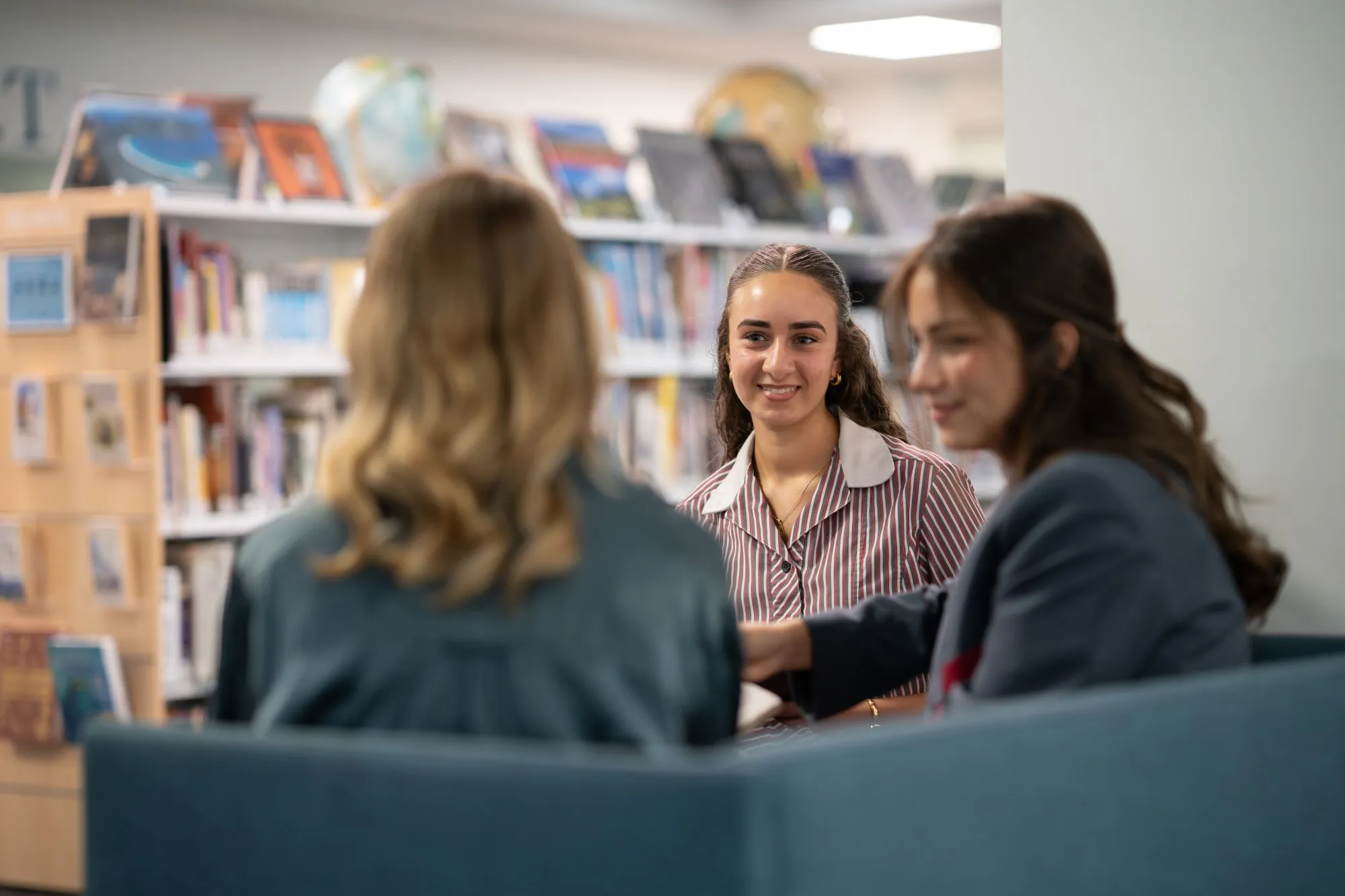
Dedicated support for every student
Mentor Program
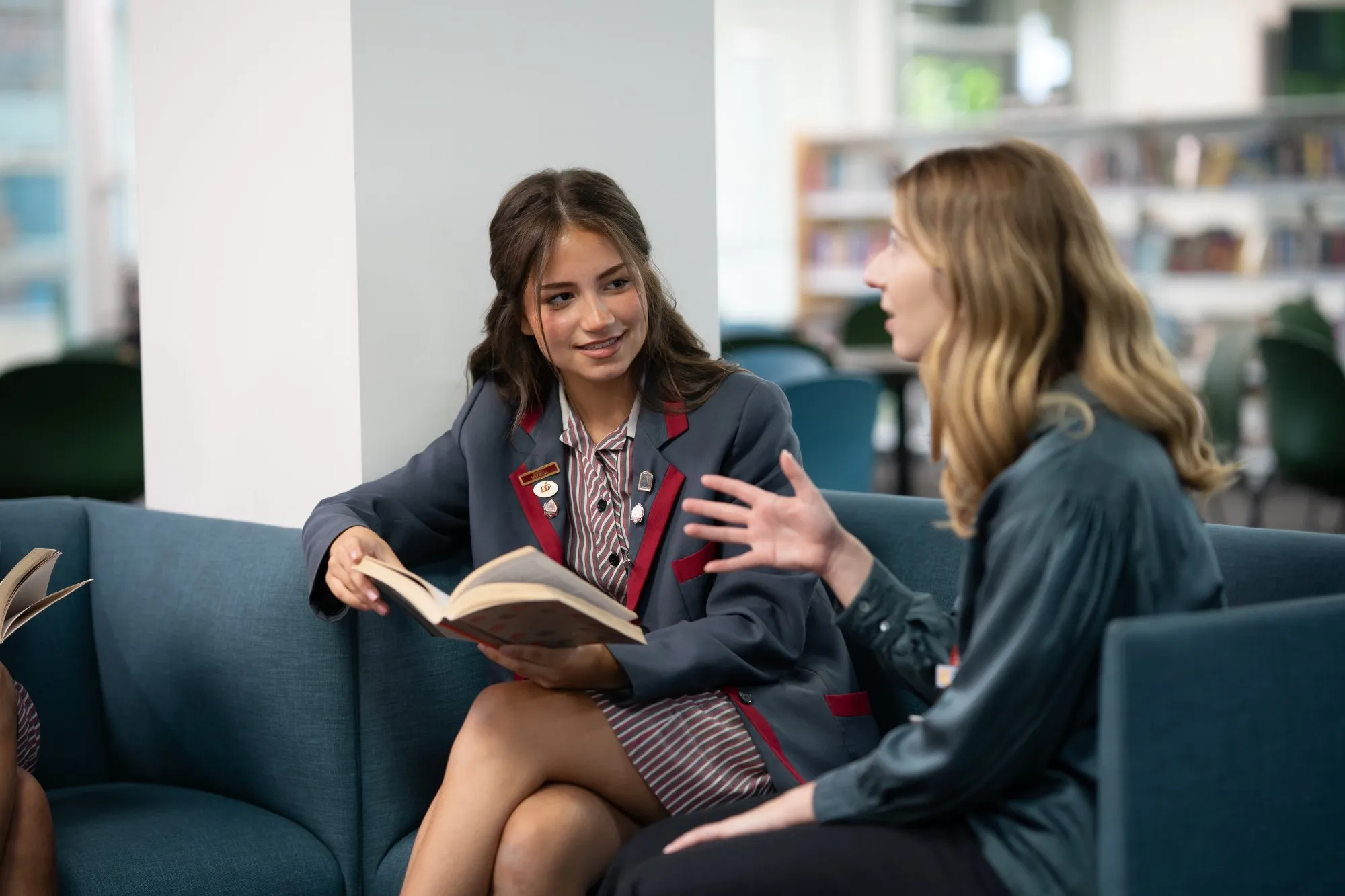
Across both the Junior and Senior Schools, Korowa's dedicated wellbeing staff work closely with students and their families. Small mentoring groups provide opportunities for personalised support, relationship-building and open communication.
For families, staff mentors act as a consistent point of contact for academic or wellbeing-related queries, helping to foster a strong partnership between home and school.
In the Senior School, daily mentor time and a structured wellbeing curriculum promote social and emotional learning, respectful relationships, personal development and a sense of connection.
Students explore themes that support their understanding of self, others and community, encouraging them to develop resilience and confidence during their formative years.
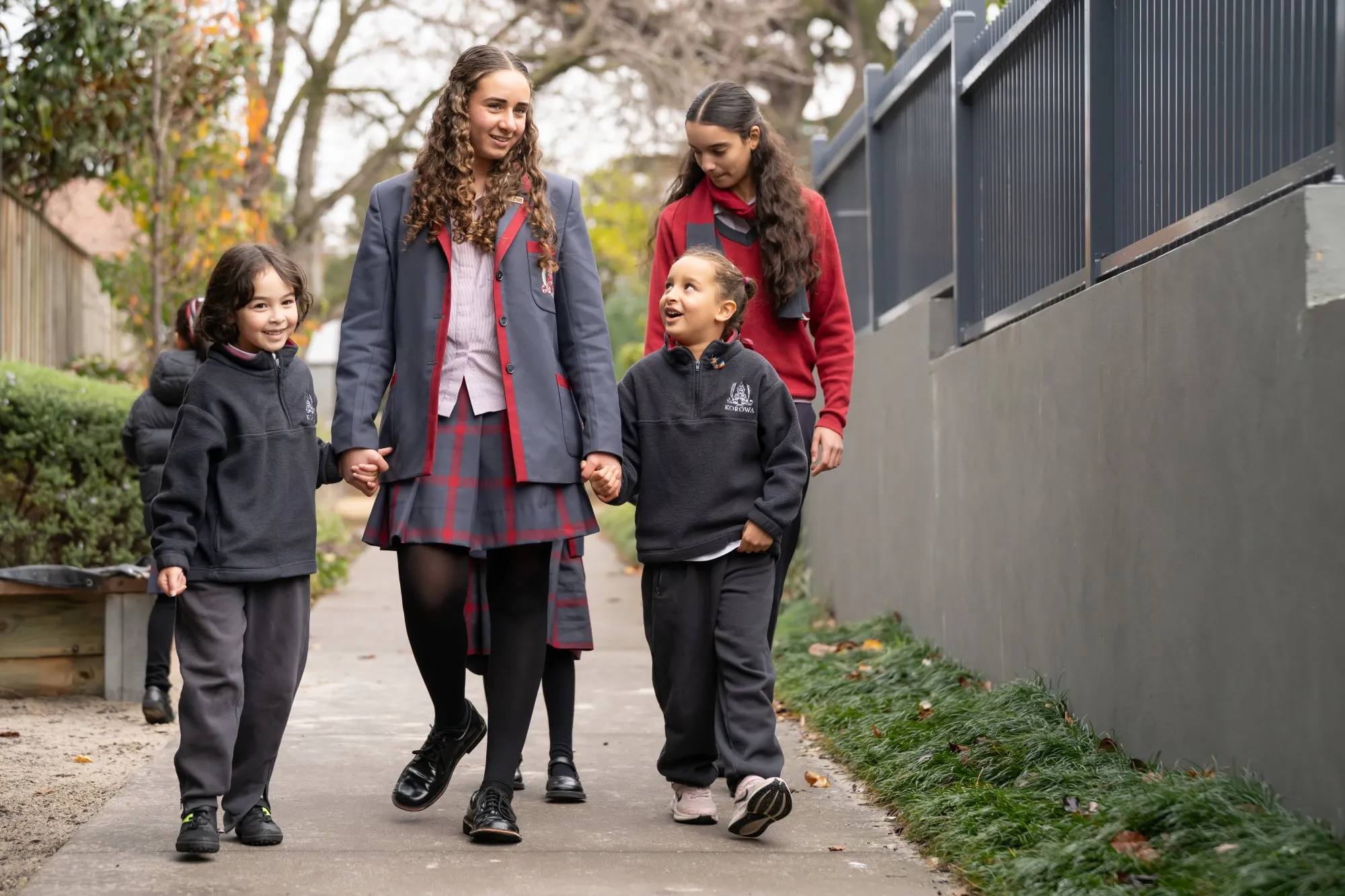
Strengthening Junior-senior connections
Buddy Program
Connections between younger and older students are an important part of wellbeing at Korowa. Through buddy-style programs and shared activities across the Junior and Senior Schools, students build relationships that strengthen confidence, belonging and community.
Younger students benefit from the encouragement and guidance of older girls, while older students develop empathy, leadership and a sense of responsibility for others.
These relationships are intentionally fostered through mentor time, transition experiences and community events, helping students feel supported not only by teachers, but by one another.
Over time, these connections contribute to a culture where students feel known, included and confident as they move through each stage of school life.
korowa is a child safe school
Our Commitment to Child Safety and Wellbeing
The School regards its child protection responsibilities with the utmost importance and is committed to providing the necessary resources to ensure compliance with all relevant child safety and wellbeing laws and regulations and maintaining a child safe culture.
Frequently asked questions
How does the school handle bullying or conflict between students?
Korowa takes student safety and wellbeing seriously. Concerns about bullying or conflict are addressed promptly, with a focus on listening, understanding context and supporting all students involved. Responses are guided by clear expectations for behaviour and a commitment to respectful relationships, with appropriate follow-up and communication to ensure issues are resolved and students feel supported.
How do you support students who are struggling, whether that's academically, socially or emotionally?
Korowa’s approach to wellbeing is built on knowing each student as an individual. When a student is struggling, support is coordinated through close relationships between teachers, pastoral staff and wellbeing professionals. Support may include academic guidance, pastoral care, wellbeing check-ins or referrals, depending on the student’s needs, with the aim of helping students regain confidence, engagement and balance.
What is the school's culture really like?
Korowa is a warm, inclusive community where students are known, valued and encouraged to be themselves. The culture is one of respect, connection and high expectations, balancing academic purpose with care for each student’s wellbeing. Students are supported to grow in confidence, integrity and independence within a strong sense of belonging.
How does the school encourage independence and self-advocacy?
Students at Korowa are supported to develop independence gradually and appropriately as they move through the school. They are encouraged to reflect on their learning, seek support when needed and take increasing ownership of their choices and responsibilities. This helps students build confidence, self-advocacy and resilience over time.
How do teachers handle pastoral care and communication with families?
Pastoral care is shared across teaching and wellbeing teams, ensuring students are supported both in and beyond the classroom. Communication with families is thoughtful and purposeful, with staff working collaboratively to keep parents informed and involved when support is needed. The focus is on partnership, clarity and the best interests of the student.
Book a tour to see how wellbeing is thoughtfully embedded across school life and how girls are supported to flourish at Korowa.