Junior School
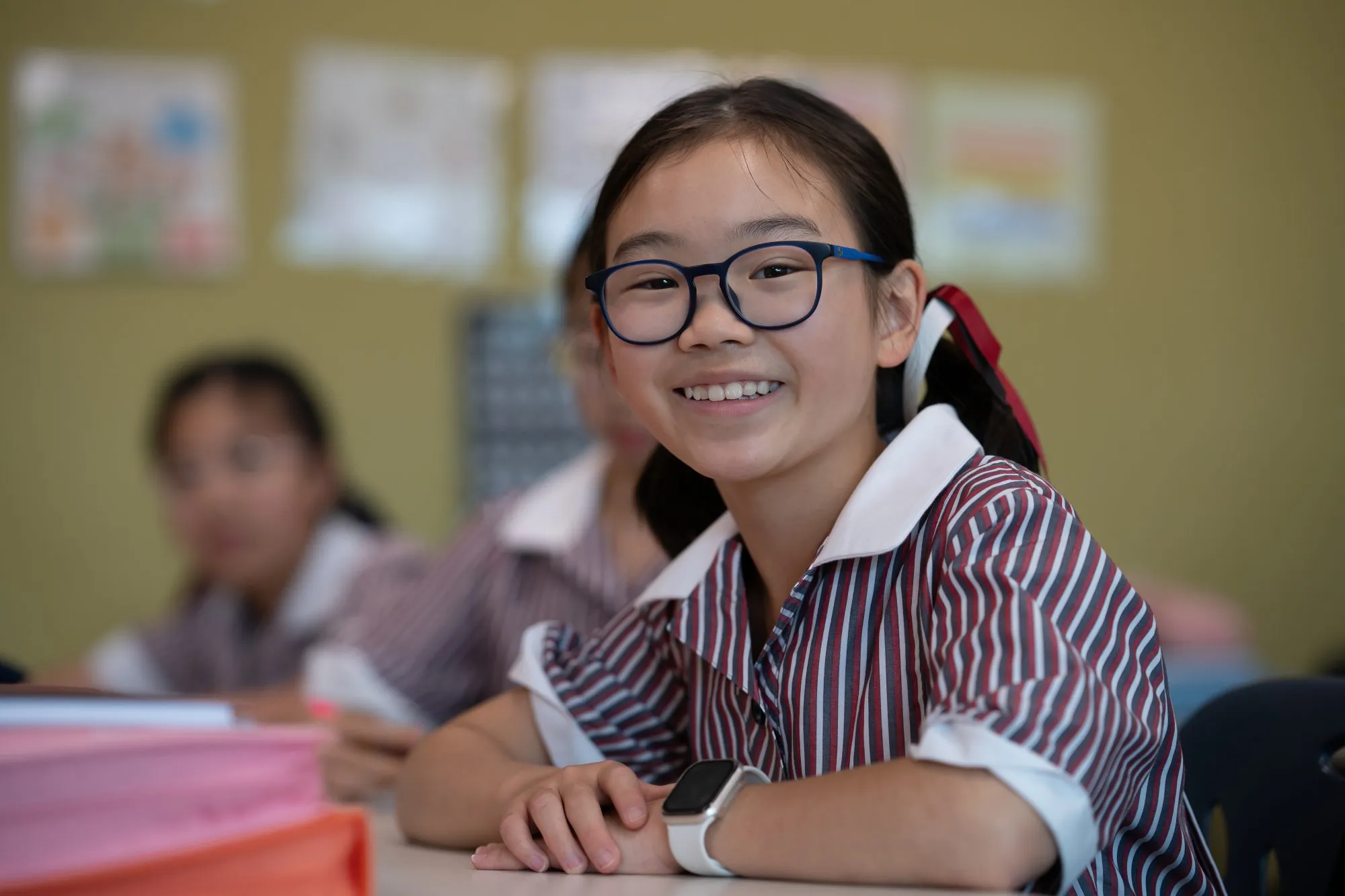
Prep - Year 6
Learning takes root
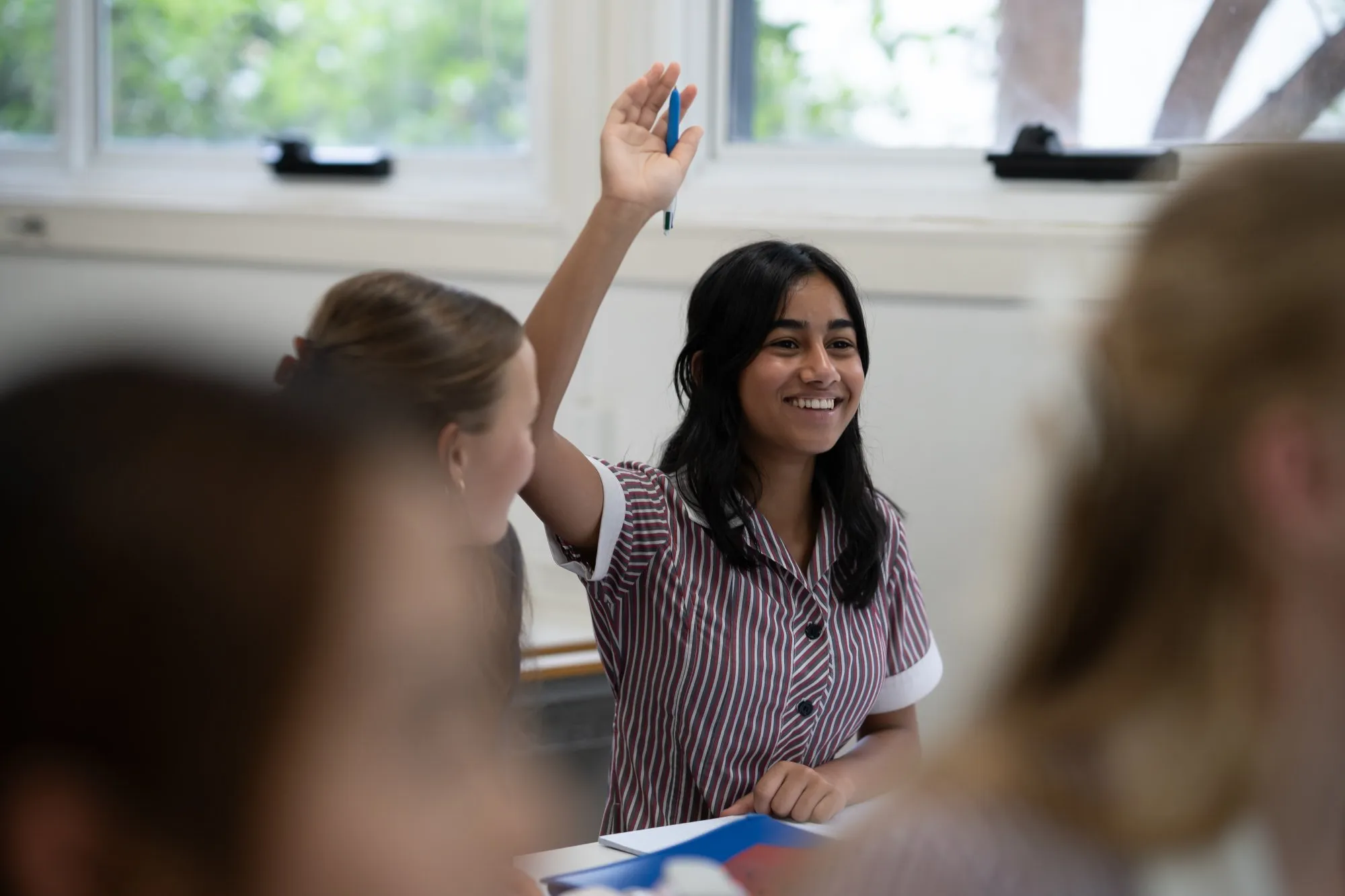
Junior School is where your daughter’s love of learning truly begins. These early years lay the foundation for confidence, curiosity, resilience and character. With a personalised approach and a strong sense of community, Korowa ensures every girl is seen, known and nurtured as she grows into a courageous, compassionate and capable young person.
Where girls flourish and feel respected
The mission of the Junior School is simple: to provide the best learning environment where girls flourish and feel respected.
We want every girl to develop the confidence, resilience and growth mindset that allow her to become her best self. Our values of courage, curiosity and integrity are embedded into everyday learning and interactions, guiding students to make compassionate choices and build strong relationships.
Our close-knit community is one of our greatest strengths. Our teachers know each child deeply, and our families value the connection and partnership that supports their daughter’s learning journey. Initiatives such as our subsidised school-bus services demonstrate our ongoing commitment to family support.
We would be thrilled to welcome you and your family to see and experience Korowa's Junior School for yourself. Simply click "Book a Tour" below to make a time to visit.
Intentionally Structured
The journey from Prep to Year 6
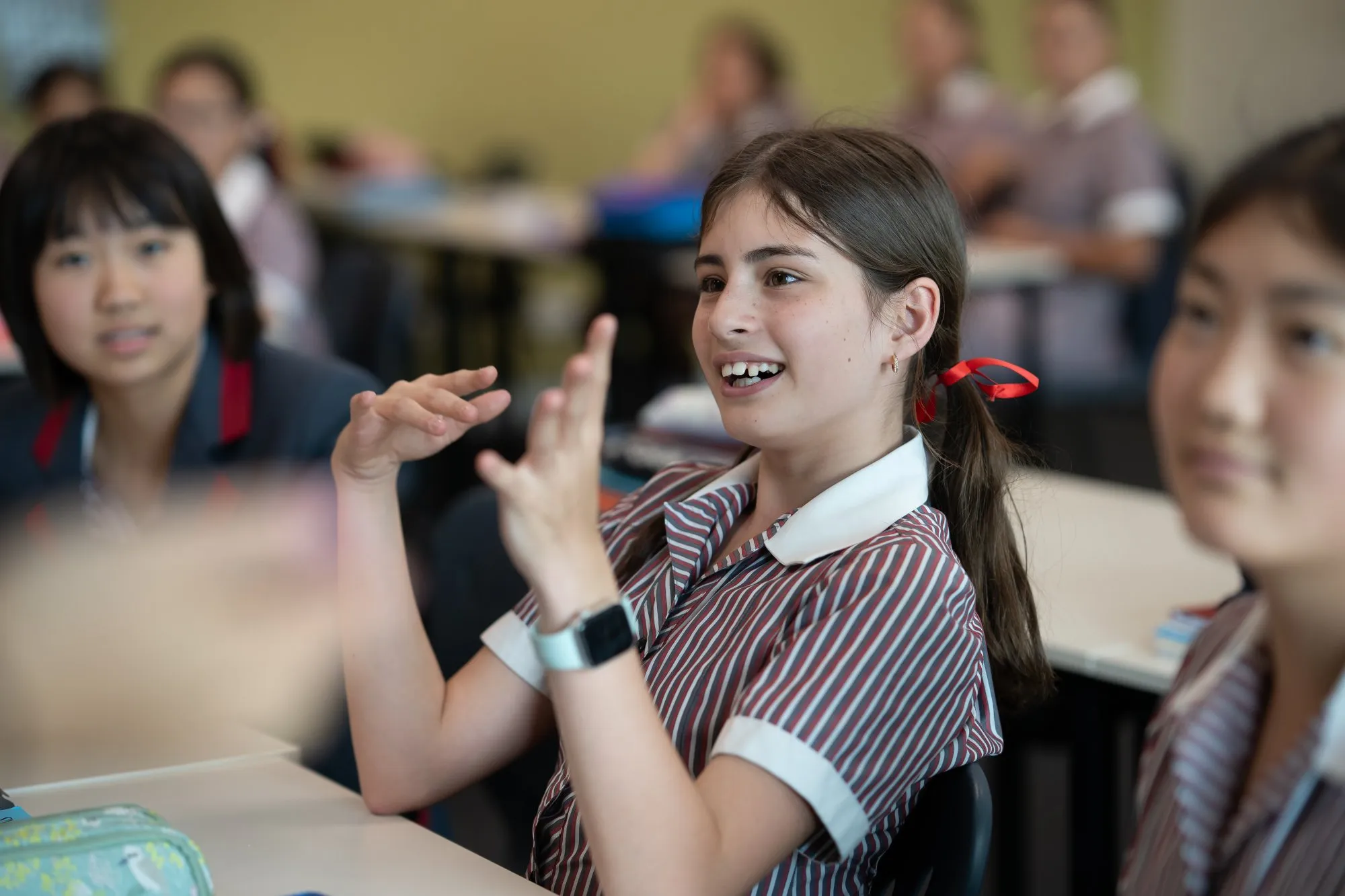
Your child's learning journey is intentionally structured through three developmental phases.
Each stage builds on the previous one, supporting her academic growth, social-emotional development and emerging sense of identity.
Prep to Year 2
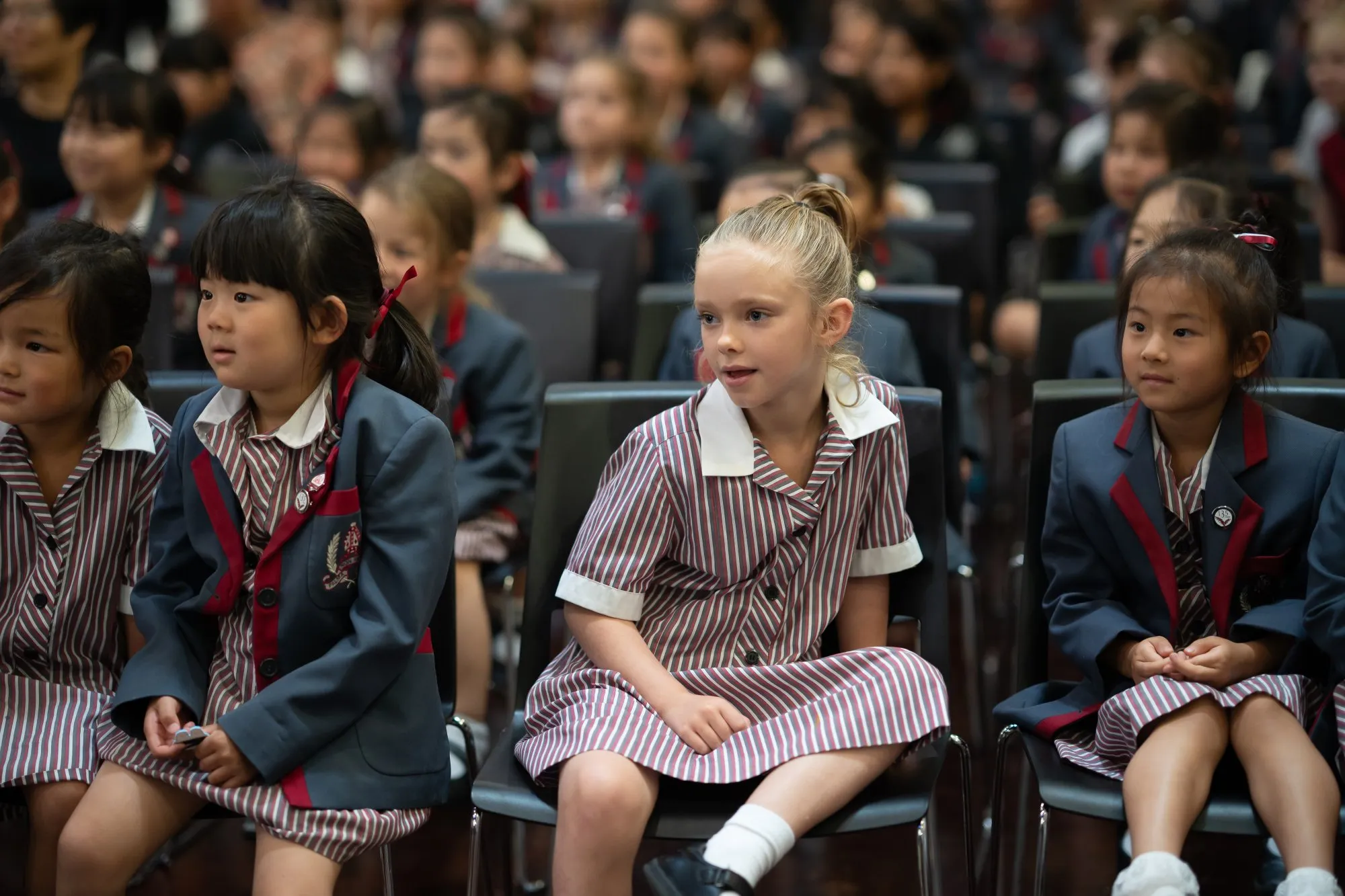
Prep to Year 2: Developing me
The early years are a time of wonder, exploration and discovery. Students develop essential dispositions for learning including curiosity, creativity, enthusiasm, persistence and imagination. Through hands-on experiences and inquiry-based learning, girls explore problem-solving; questioning and investigation; hypothesising and experimenting; and expression through language, movement and creativity.
They learn to collaborate, share, take turns and build friendships, developing both independence and resilience. A nurturing environment ensures they feel safe to take risks, set personalised goals and build a deep love of learning.
Years 3 to 4
Years 3-4: Emerging confidence
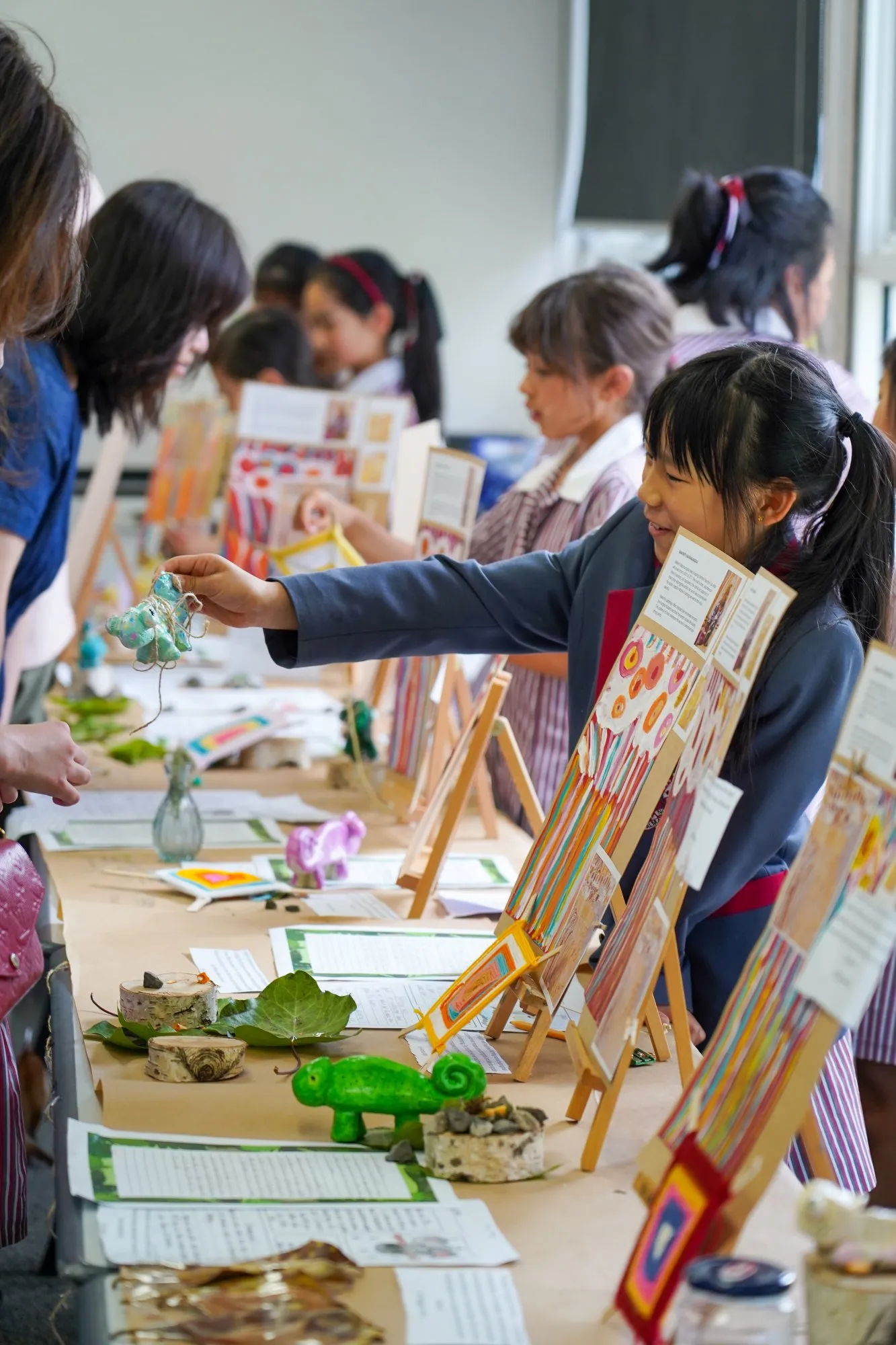
In Years 3 and 4, students expand their independence of thinking and action. They are encouraged to try new things, reflect on their choices, and respect the thoughts and opinions of others. Key features of this stage include consolidation of literacy and numeracy skills; inquiry learning expeditions; development of collaboration and communication; recognising emotions and personal strengths; and greater responsibility (eg. ID card use, uniform choices).
This is a time of emerging confidence, where girls begin to understand themselves as learners, and take increasing responsibility for their actions and goals.
Years 5 to 6
Years 5-6: Character counts
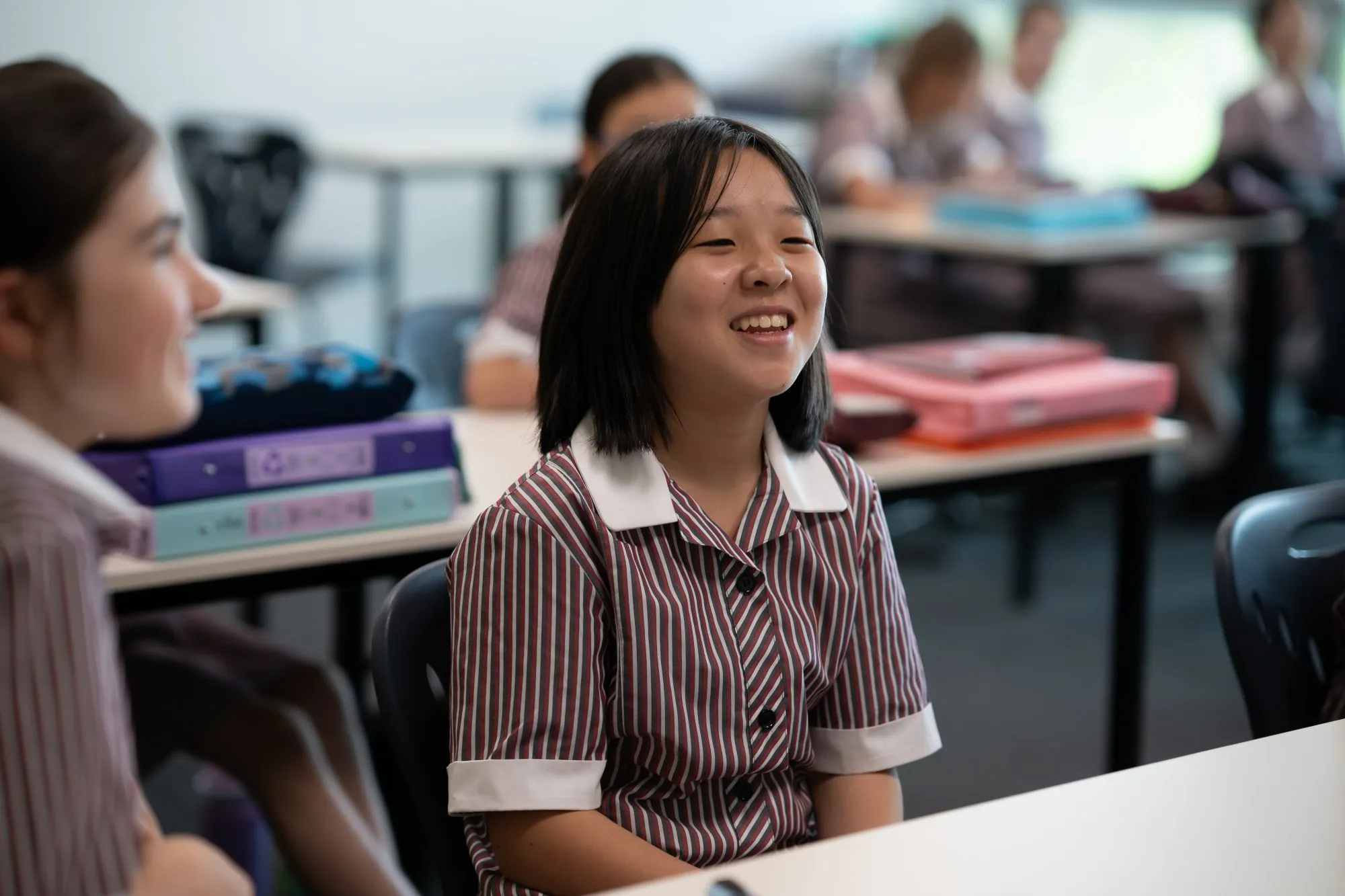
In the upper primary years, character development becomes central. Students are encouraged to be independent, adaptable thinkers who show initiative and leadership.
This stage focuses on leadership opportunities; taking 'responsible risks’ in learning; making informed, safe decisions; understanding relationships and managing conflict; contributing to the community; and accepting and appreciating diversity. With a deeper, broader curriculum, girls explore abstract ideas, refine their skills and prepare confidently for their transition into Senior School.
Curriculum overview
Korowa’s Junior School curriculum is designed to inspire curiosity, build foundational mastery and encourage creativity across a wide range of subjects.
English
Our English program integrates Language, Literature and Literacy, with a strong emphasis on:
- Writing and creating
- Speaking and listening
- Reading and viewing
Girls build skills progressively, developing mastery while also fostering a love of storytelling and expression. Teachers revisit and strengthen concepts throughout the primary years to ensure growth and confidence.
Mathematics
The Mathematics curriculum incorporates the proficiency strands of:
- Understanding
- Fluency
- Problem-solving
- Reasoning
Students explore Number, Algebra, Measurement, Space, Statistics and Probability through hands-on tasks, investigations and real-world applications.
Language (German)
All Junior School students learn German, developing:
- Aural and oral communication
- Understanding culture and traditions
- Reading and writing skills
A highlight is the annual whole-school German celebration, uniting language and cultural learning.
Dance & Drama
Prep students have a dance program known as Creative Movement. In Years 5 and 6, students explore Dance and Drama. The program includes the following.
Dance:
- Choreography and expressive movement
- Understanding cultural and historical influences
- Collaboratively creating and performing original works
Drama:
- Improvisation and scripted performance
- Voice, movement and character development
- Exploring drama from different cultures and time periods
Music
Music has always held a special place at Korowa. Using both Kodály and Orff methodologies, our program includes:
- Singing
- Playing instruments
- Movement
- Listening
- Composition
Learning is carefully sequenced to support creativity, musicality and confidence.
Visual Arts
The Visual Arts program encourages girls to observe, imagine and create.
Through drawing, painting, clay, textiles, collage and modelling, students explore:
- Shape, colour, texture and form
- Creative expression
- Artistic appreciation, both of their own work and the work of others
Technologies
Girls learn to apply their knowledge and creativity to design real solutions using:
This subject builds future-ready skills for a rapidly changing world.
- Critical and creative thinking
- Prototyping and experimentation
- Systems and processes
- Collaboration and evaluation
Science
Our Science program introduces students to:
- Specialist equipment (including food technology and science-specific facilities)
- Maker spaces
- Kitchen areas to support the Stephanie Alexander Kitchen Garden
- Indigenous garden spaces for experimentation and data analysis
- Science Understanding
- Science as Human Endeavour
- Science Inquiry Skills
Hands-on experiments and investigations deepen understanding, especially in Years 5 and 6 where students learn in the Margaret Brumby AM Junior Science Laboratory. Facilities include:
Humanities
Students explore the world through History, Geography, and Civics & Citizenship. They develop:
- Empathy and perspective
- Research and reasoning skills
- Understanding of culture, democracy, identity and global issues
- Map and data interpretation skills
Humanities help students make sense of their place in the world while building critical and creative thinking.
Physical Education (PE)
Our PE program promotes:
- Fitness and motor skill development
- Teamwork, respect and positive attitudes
- Personal goal-setting
- Confidence through sport and movement
Students participate in PE, Sport, House events and interschool opportunities.
Beyond the classroom
Wellbeing
Physical, mental, emotional and social wellbeing is woven into every aspect of Junior School life. Our programs empower students to develop healthy habits, strong relationships, resilience and confidence.
Learn more about Korowa's comprehensive, integrated Wellbeing Program here.
Swimming
ELC4 to Year 6 students take part in fortnightly swimming lessons, focused on:
- Water confidence and safety
- Strong foundational techniques
- Stroke development
- Independence and responsibility (managing their own gear)
Year 6 students work towards achieving the Victorian Water Safety Certificate.
Perceptual Motor Program
For ELC 3 to Year 2, the Perceptual Motor Program (PMP) supports:
- Eye-hand and eye-foot coordination
- Balance and locomotion
- Spatial awareness
- Foundation skills for reading, writing and sport
Bodyworks
Bodyworks is a sequential, age-appropriate health and wellbeing curriculum from Prep to Year 6 that teaches:
- Emotional literacy
- Personal safety
- Decision-making
- Healthy relationships
- Positive wellbeing habits
Outcomes
Parents choose Korowa for their girls because our Junior School delivers:
Strong academic foundations
Korowa girls consistently achieve high levels of literacy and numeracy achievement; strong engagement in inquiry and problem-solving; and deep learning across disciplines.
Exceptional student wellbeing
Students establish strong relationships with teachers; receive tailored pastoral care; and there are leadership opportunities for every girl.
Future-ready skills
A Korowa education features excellent communication, collaboration, creativity, critical thinking, digital and scientific literacy, and citizenship and global awareness.
A seamless transition to Senior School
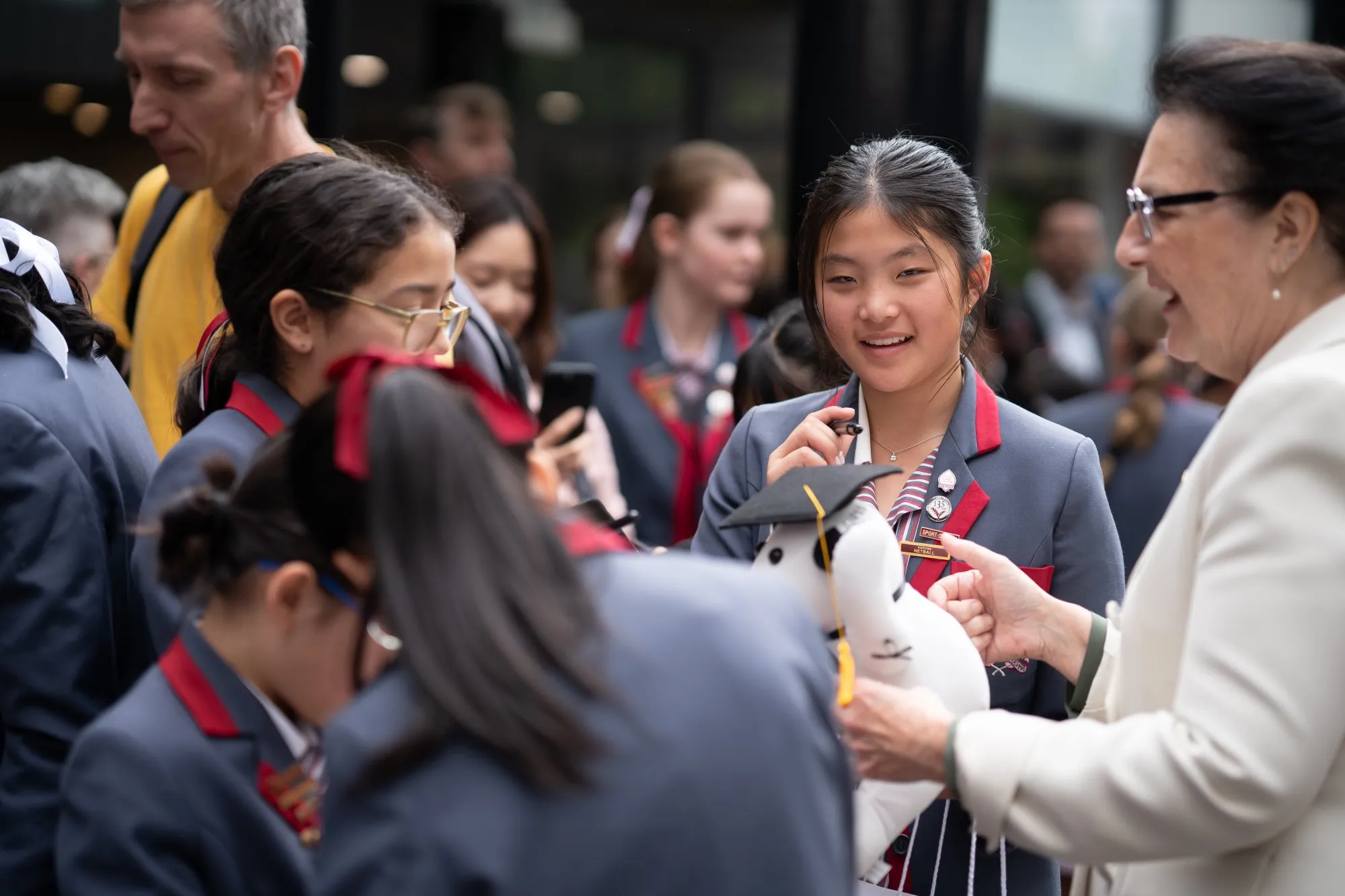
Students move into Year 7 confident, capable and excited for the next chapter.
Her journey starts here
Join Korowa
Frequently asked questions
How is learning personalised?
Teachers track progress closely and tailor learning through differentiation, targeted instruction and enrichment opportunities. Korowa's learning support, as well as our enrichment and extension program, ensure that each student receives tailored education and support.
What wellbeing is provided?
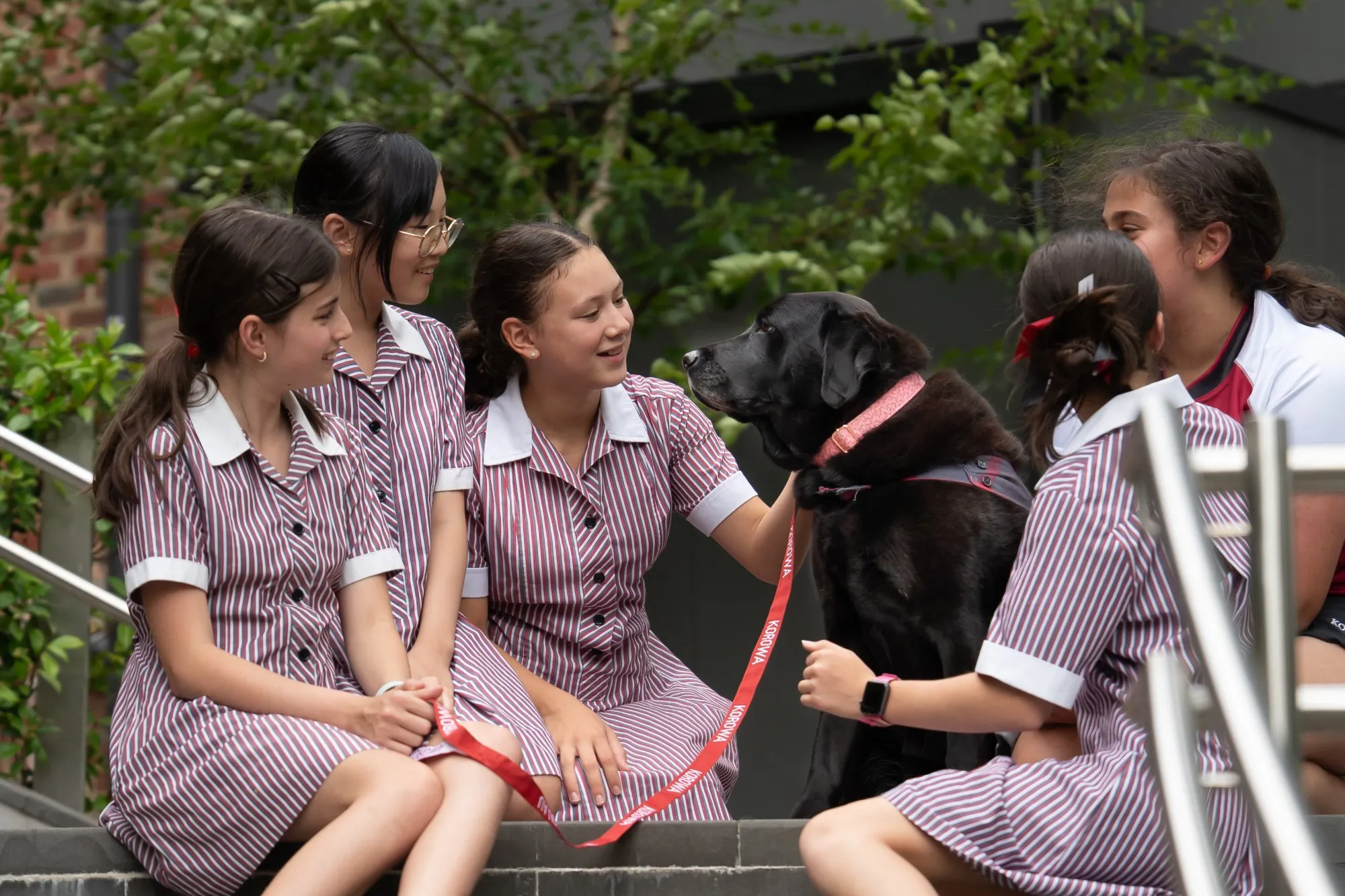
Wellbeing is integrated into every aspect of the school, across every age-group. This includes Bodyworks, class culture, leadership programs, proactive social-emotional learning, school psychologists, two on-campus wellbeing dogs, and purpose-developed facilities. Learn more about Korowa's Wellbeing Program here.
Is the school day structured?
Yes. The school day is structured with a balance of core subjects, specialist classes, wellbeing, outdoor time and co-curricular options.
What co-curricular opportunities are available?
Korowa has a vibrant community and a rich and diverse range of co-curricular activities and clubs for students. These include sports, music ensembles, drama, visual arts, special-interest clubs, competitions, leadership roles and more.
Does the junior school provide after-school care?
Yes. For students in Year 4 to 6, the Korowa Out of School Hours (KOSH) program is available free of charge from Monday to Thursday, with a dedicated Supervisor.
Students are required to register to attend, and must be formally signed out. The hours available are 3.15pm to 6pm. For more information, please email the KOSH Supervisor, Chrissie McCormick.
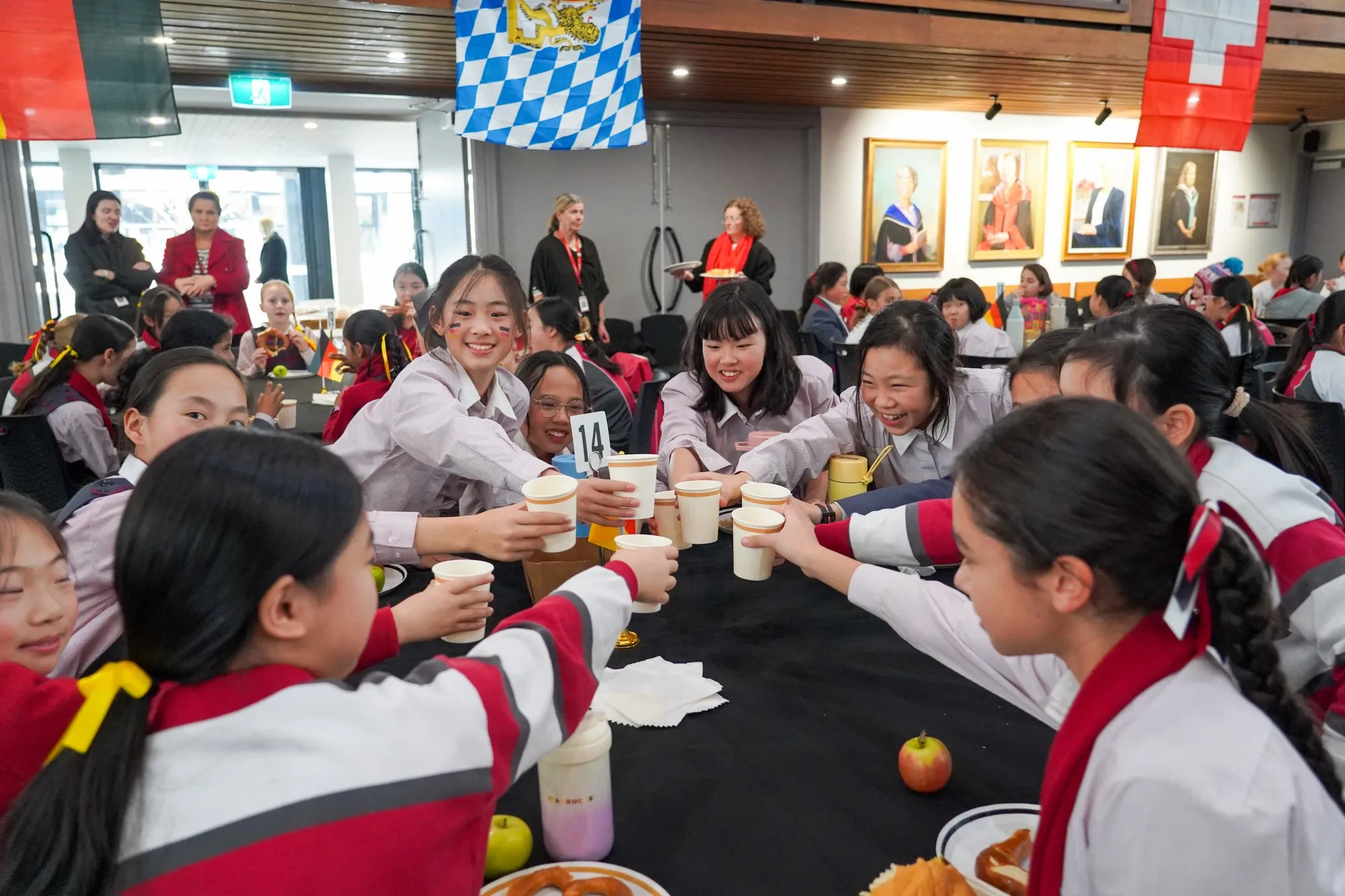
Book a tour today to see our vibrant learning community in action and discover why Korowa is the right choice for your daughter's education.